
Kalaw Travel Guide
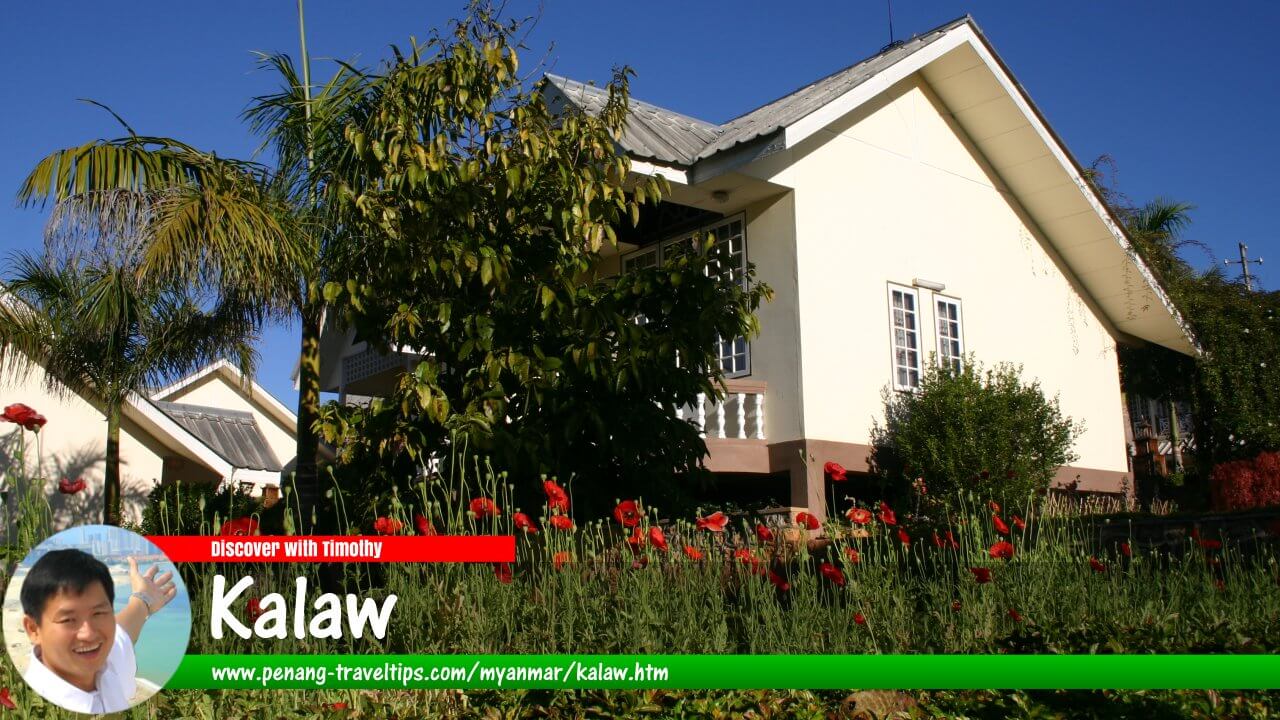 Kalaw (21 November 2003)
Also available: Kalaw (Malay Edition)
Introduction to Kalaw
Kalaw (ကလော) is a charming hill town in Myanmar’s Shan State, located approximately 1,320 metres above sea level. Known for its cool climate, pine forests, colonial-era atmosphere and surrounding ethnic villages, Kalaw offers a refreshing contrast to the hotter lowland destinations of Yangon, Bagan and Mandalay.
Unlike Myanmar’s famous ancient cities and religious centres, Kalaw’s attraction lies in its peaceful mountain environment and its role as a gateway to exploring the countryside of Shan State.
The town is particularly popular among travellers who enjoy nature, walking, trekking and experiencing local communities away from the busy tourist routes.
Origin and Meaning of the Name Kalaw
The exact origin and meaning of the name Kalaw (ကလော) is not clearly documented, and there are different local explanations regarding its origin.
Some sources associate the name with local Shan or ethnic languages, reflecting the town’s location in a region where several ethnic communities have lived for centuries. However, unlike some Myanmar cities whose names have well-recorded meanings, the precise linguistic origin of “Kalaw” remains uncertain.
The name Kalaw became widely recognised during the British colonial period when the town developed into a hill station, a place where colonial officials and residents escaped the heat of the Burmese plains.
Kalaw During the Colonial Period
During British rule in Burma, Kalaw was developed as a hill station because of its cooler mountain climate.
The British established hill stations throughout their colonies as places of rest and administration. In Myanmar, Kalaw became one of the preferred retreats because its pleasant weather provided relief from the tropical heat of the lowlands.
Evidence of this colonial past can still be seen in:
- Old colonial-style buildings.
- Quiet tree-lined streets.
- European-influenced architecture.
- A slower pace of life compared with Myanmar’s major cities.
Today, Kalaw retains a nostalgic atmosphere that appeals to travellers interested in history and heritage.
Geography and Location of Kalaw
Kalaw is located in western Shan State, in eastern Myanmar.
The town is situated on a plateau surrounded by hills, forests and agricultural land. Its elevated location gives it a much cooler climate than most parts of Myanmar.
Kalaw is located approximately:
- 50 kilometres from Heho, where the nearest airport is located.
- 70 kilometres from Nyaung Shwe and Inle Lake.
- 280 kilometres from Mandalay by road.
Because of its location, Kalaw is often included as part of a Myanmar itinerary combining Mandalay, Kalaw and Inle Lake.
Why Visit Kalaw?
Kalaw attracts visitors for reasons very different from destinations such as Bagan or Mandalay.
The main experiences in Kalaw include:
- Cool mountain weather: A pleasant escape from Myanmar’s tropical heat.
- Trekking: One of Myanmar’s best-known starting points for mountain walks and village treks.
- Ethnic culture: Opportunities to learn about the traditions of Shan, Pa-O, Danu, Palaung and other communities.
- Nature: Pine forests, farms, hills and peaceful countryside landscapes.
- Slow travel: A destination where visitors can relax and enjoy the atmosphere rather than rush from one attraction to another.
Kalaw as a Gateway to Inle Lake
One of Kalaw’s greatest attractions is its connection with Inle Lake, one of Myanmar’s most famous destinations.
The multi-day trek from Kalaw to Inle Lake is considered one of the classic travel experiences in Myanmar. The route passes through rural landscapes, farms, forests and ethnic villages, allowing travellers to experience a side of Myanmar that is rarely seen in major cities.
For travellers who enjoy walking and cultural immersion, Kalaw is often remembered not because of a single monument, but because of the journey itself.
Who Should Visit Kalaw?
Kalaw is particularly suitable for:
- Nature lovers who enjoy mountains and countryside.
- Travellers interested in ethnic cultures.
- Visitors who prefer quieter destinations.
- Hikers and trekking enthusiasts.
- Travellers looking for a break from Myanmar’s hot plains.
However, visitors looking mainly for grand monuments, nightlife or extensive shopping may find Kalaw less suitable compared with Yangon or Mandalay.
Kalaw in a Myanmar Travel Itinerary
A typical Myanmar itinerary including Kalaw may look like:
- Yangon → Bagan → Mandalay → Kalaw → Inle Lake
- Mandalay → Kalaw → Inle Lake
Adding Kalaw to a Myanmar journey provides a balance between cultural exploration and nature experiences.
For travellers who want to see another side of Myanmar beyond pagodas and royal cities, Kalaw offers a peaceful mountain retreat filled with history, culture and natural beauty.
History and Development of Kalaw
The history of Kalaw (ကလော) is closely connected with the development of Myanmar’s Shan State and its transformation from a small highland settlement into a popular hill station and trekking destination.
Unlike ancient cities such as Bagan or Mandalay, Kalaw was not established as a royal capital. Its significance developed much later, particularly during the British colonial period when its cool mountain climate attracted colonial administrators and visitors seeking relief from the heat of the Burmese plains.
Early History of the Kalaw Region
The area around Kalaw has long been inhabited by various ethnic communities, particularly those of Shan State.
Shan State has historically been home to many ethnic groups, including the Shan, Pa-O, Danu, Palaung and other communities. These groups developed their own traditions, languages, agricultural practices and ways of life in the mountainous landscape.
Before Kalaw became a recognised town, the surrounding region consisted mainly of villages and agricultural settlements connected to local communities.
Kalaw During British Colonial Rule
Kalaw’s development accelerated during the British colonial period when Burma was part of the British Empire.
The British recognised the advantages of Myanmar’s highland areas and developed several hill stations where colonial officials could escape the intense heat of the lowlands.
Kalaw became one of these hill stations because of:
- Its cooler temperatures.
- Its elevated location.
- Its peaceful natural surroundings.
- Its accessibility from the major cities of colonial Burma.
During this period, Kalaw gained colonial-style buildings, tree-lined streets and a reputation as a quiet mountain retreat.
The Colonial Legacy of Kalaw
Although much of Kalaw has changed over time, traces of its colonial past remain visible.
Visitors may notice:
- Colonial-era houses and buildings.
- Large trees and quiet streets reflecting its hill station character.
- A town layout different from Myanmar’s traditional urban centres.
Compared with Yangon’s grand colonial architecture or Mandalay’s royal heritage, Kalaw’s colonial legacy is more subtle. It is found in the atmosphere of the town rather than in a collection of major monuments.
Kalaw After Myanmar Independence
After Myanmar gained independence in 1948, Kalaw continued to function as a peaceful hill town in Shan State.
Over time, the town became increasingly known among domestic travellers as a place to enjoy cooler weather and mountain scenery.
Its role gradually shifted from a colonial retreat into a destination for nature lovers, hikers and travellers seeking a quieter experience.
The Rise of Trekking Tourism
The modern popularity of Kalaw is strongly linked to trekking tourism.
As international travellers began exploring Myanmar, Kalaw became recognised as one of the best starting points for walking routes through the countryside of Shan State.
The trekking routes around Kalaw became popular because they combine:
- Mountain landscapes.
- Rural villages.
- Agricultural fields.
- Interactions with ethnic communities.
- A slower and more authentic travel experience.
The most famous route connects Kalaw with Inle Lake, allowing travellers to journey through the Shan highlands over several days.
Kalaw Today
Today, Kalaw is one of Myanmar’s best-known highland destinations.
While it remains much smaller and quieter than Yangon or Mandalay, the town attracts visitors who appreciate nature, culture and a relaxed pace of travel.
Modern Kalaw combines:
- A heritage hill station atmosphere.
- A multicultural local community.
- Tourism facilities catering to trekkers and independent travellers.
- Access to the wider attractions of Shan State.
Kalaw’s Place in Myanmar’s History
Kalaw may not have the ancient temples of Bagan or the royal monuments of Mandalay, but it represents another important aspect of Myanmar’s story.
The town reflects the meeting of:
- Traditional ethnic cultures of Shan State.
- The colonial-era development of hill stations.
- Modern interest in sustainable and experiential tourism.
For travellers who want to understand Myanmar beyond its famous pagodas and ancient capitals, Kalaw offers a different perspective — one shaped by mountains, communities and the rhythms of rural life.
Geography of Kalaw
Kalaw (ကလော) is a hill town located in Myittha District, Shan State, in eastern Myanmar. Situated at an elevation of about 1,320 metres above sea level, Kalaw enjoys a cooler climate compared with most parts of Myanmar.
The town is surrounded by rolling hills, pine forests, farmland and ethnic villages, creating a landscape that is very different from the plains of Yangon, Bagan and Mandalay.
Its highland setting is the main reason Kalaw became a popular retreat during the British colonial period and continues to attract visitors today.
Location of Kalaw
Kalaw is strategically located in the western highlands of Shan State and serves as a gateway to several important destinations in eastern Myanmar.
Approximate distances from Kalaw include:
- Heho Airport: About 35 kilometres away, making it the nearest airport for travellers arriving by air.
- Nyaung Shwe and Inle Lake: About 60 to 70 kilometres away, making Kalaw a popular starting point for trekking routes to the lake.
- Mandalay: About 280 kilometres away by road.
- Yangon: About 550 kilometres away by road.
Because of its location between central Myanmar and Shan State, Kalaw is often included in longer itineraries linking Mandalay, Kalaw and Inle Lake.
Landscape and Natural Environment
The landscape around Kalaw is characterised by gentle hills, forests and agricultural land.
Visitors to Kalaw can expect to see:
- Pine trees lining the hillsides.
- Vegetable farms and rural fields.
- Small villages surrounded by mountains.
- Walking trails through countryside landscapes.
The natural environment gives Kalaw a peaceful atmosphere and makes it especially attractive for travellers who enjoy outdoor activities.
Climate of Kalaw
Kalaw has a cooler highland climate compared with much of Myanmar.
Temperatures are generally more comfortable because of its elevation, although conditions vary throughout the year.
Cool and Dry Season (November to February)
This is generally considered the best time to visit Kalaw.
- Cool temperatures, especially in the mornings and evenings.
- Lower rainfall.
- Comfortable conditions for trekking and outdoor activities.
During this period, visitors may find the weather pleasantly cool, and light jackets may be useful, especially early in the morning or at night.
Hot Season (March to May)
Although Kalaw remains cooler than Myanmar’s lowland cities, temperatures increase during this period.
The warmer weather may make longer treks more tiring, especially under direct sunlight.
Rainy Season (June to October)
The rainy season brings greener landscapes and lush countryside around Kalaw.
However, visitors should be prepared for:
- Wet walking trails.
- Cloudier weather.
- Possible changes to trekking conditions.
Travellers who enjoy photography may appreciate this season because the hills and farmland become especially green.
Best Time to Visit Kalaw
The best time to visit Kalaw is generally from November to February, when the weather is cooler and drier.
This period is ideal for:
- Trekking.
- Exploring villages.
- Walking around town.
- Enjoying the mountain scenery.
However, each season offers a different experience:
- Cool season: Best for comfort and outdoor activities.
- Dry hot season: Suitable for visitors who prefer fewer crowds.
- Rainy season: Best for lush landscapes and quieter travel.
What to Pack for Kalaw
Because of its cooler climate and outdoor activities, packing for Kalaw is different from visiting Myanmar’s warmer destinations.
Recommended items include:
- Light jacket or sweater for cool mornings and evenings.
- Comfortable walking shoes.
- Rain protection during the wet season.
- Sun protection for daytime walks.
- Small backpack for trekking or day trips.
Kalaw for Nature and Outdoor Lovers
Kalaw’s geography makes it one of Myanmar’s best destinations for travellers who prefer experiences over sightseeing lists.
Instead of focusing on large monuments, visitors come to Kalaw to enjoy:
- Mountain scenery.
- Fresh air.
- Village life.
- Cultural encounters.
- Walking journeys through the countryside.
For travellers seeking a slower and more immersive side of Myanmar, Kalaw provides a refreshing change of pace.
Getting to Kalaw
Kalaw (ကလော) is a small hill town in Shan State and does not have its own airport or railway station. Most travellers reach Kalaw by road from nearby cities or by flying to the nearest airport at Heho.
The most common ways to reach Kalaw are from:
- Mandalay.
- Inle Lake.
- Yangon.
Getting to Kalaw by Air
The nearest airport to Kalaw is Heho Airport, which serves the wider Shan State region.
Heho Airport is located approximately 35 kilometres from Kalaw and receives domestic flights from major Myanmar cities such as Yangon.
Upon arrival at Heho Airport, travellers can continue to Kalaw by:
- Private car.
- Taxi.
- Hotel-arranged transfer.
The journey from Heho Airport to Kalaw usually takes about one hour, depending on road conditions.
Getting to Kalaw from Yangon
Travelling from Yangon to Kalaw involves a considerable distance, so most visitors prefer to combine the journey with a domestic flight and road transfer.
Common options include:
- Flying from Yangon to Heho Airport, then continuing by road to Kalaw.
- Taking an overnight bus, although the journey is long and may be tiring.
For most international visitors, flying via Heho is the more comfortable option.
Getting to Kalaw from Mandalay
Many travellers include Kalaw after visiting Mandalay.
The journey from Mandalay to Kalaw can be made by:
- Private car.
- Bus.
- Shared transport.
The road journey takes several hours and passes through changing landscapes as the route climbs towards the Shan highlands.
For travellers who enjoy scenic journeys, travelling by road provides an opportunity to see rural Myanmar beyond the major cities.
Getting to Kalaw from Inle Lake
Kalaw and Inle Lake are often combined in the same itinerary because of their close geographical relationship.
Travellers can travel between Kalaw and the Inle Lake area by:
- Private car.
- Taxi.
- Organised trekking route.
The famous multi-day trek from Kalaw to Inle Lake is one of Myanmar’s most memorable travel experiences, passing through villages, farmland and mountain landscapes.
Getting Around Kalaw
Kalaw is a small town and many of its central areas can be explored on foot.
Walking is one of the best ways to experience Kalaw because visitors can enjoy:
- Quiet streets.
- Colonial-era buildings.
- Local markets.
- Tea shops and restaurants.
- The surrounding mountain atmosphere.
Walking Around Kalaw
For travellers staying in the town centre, walking is usually sufficient for many activities.
However, visitors should note that Kalaw is a hill town, so some roads may involve:
- Gentle slopes.
- Uneven surfaces.
- Longer walks to viewpoints or attractions outside the centre.
Taxis and Local Transport in Kalaw
Compared with Yangon or Mandalay, Kalaw has limited public transportation.
Visitors can usually arrange:
- Taxis through hotels.
- Private vehicles for day trips.
- Local transport for nearby attractions.
It is advisable to arrange transport in advance when travelling outside town, especially for early morning airport transfers or longer excursions.
Hiring a Car and Driver
For travellers who value comfort and flexibility, hiring a car with a driver is a convenient option.
This is especially useful for:
- Travellers carrying luggage.
- Older travellers.
- Visitors with limited mobility.
- Those combining Kalaw with multiple destinations in Shan State.
Trekking Around Kalaw
Trekking is one of the main reasons travellers visit Kalaw.
Trekking routes vary from short walks to multi-day journeys towards Inle Lake.
Travellers should consider:
- Hiring an experienced local guide.
- Choosing a route suitable for their fitness level.
- Preparing suitable footwear.
- Checking weather conditions before departure.
Accessibility Considerations
Kalaw can be enjoyed by older travellers, but its mountainous environment requires some preparation.
Visitors with limited mobility should consider:
- Choosing accommodation close to the town centre.
- Using private transport for longer distances.
- Avoiding difficult trekking routes unless physically prepared.
- Allowing sufficient rest time because of the hill terrain.
With proper planning, Kalaw can still be a rewarding destination for travellers who prefer a slower and more relaxed journey.
Where to Stay in Kalaw
Kalaw (ကလော) offers a range of accommodation options, from simple guesthouses to comfortable boutique hotels. As a small hill town, most places to stay are located within or near the town centre, making it convenient for visitors to explore on foot.
Accommodation in Kalaw is generally more affordable compared with major Myanmar cities such as Yangon and Mandalay, although prices may increase during the peak travel season.
Best Areas to Stay in Kalaw
For most visitors, staying near the town centre is the most convenient choice.
Advantages of staying in the central area include:
- Easy access to restaurants and cafés.
- Walking distance to markets and local shops.
- Convenient arrangement of trekking tours.
- Easier access to local transport.
Travellers who prefer a quieter environment may choose accommodation slightly outside the centre, where they can enjoy more peaceful surroundings and views of the hills.
Types of Accommodation in Kalaw
Kalaw has accommodation suitable for different travel styles.
Guesthouses and Budget Hotels
Budget accommodation is popular among backpackers and trekking travellers.
These places usually provide:
- Basic but comfortable rooms.
- Friendly local hospitality.
- Useful assistance with trekking arrangements.
Boutique Hotels and Heritage-Style Accommodation
Some visitors prefer smaller boutique hotels that reflect Kalaw’s colonial hill station character.
These accommodations often offer:
- A more charming atmosphere.
- Garden surroundings.
- Mountain views.
- A quieter experience.
Hotels for Trekking Visitors
Many travellers stay in Kalaw before beginning a trek to Inle Lake.
Useful features include:
- Luggage storage facilities.
- Early breakfast arrangements.
- Assistance with trekking operators.
- Flexible check-in arrangements.
Tips for Choosing Accommodation in Kalaw
When selecting accommodation in Kalaw, consider:
- Location: A central location reduces the need for transport.
- Heating facilities: Nights can feel cool, especially during the dry season.
- Internet access: Connectivity may vary compared with larger cities.
- Breakfast availability: Useful before early morning activities or trekking.
- Accessibility: Check for stairs and facilities if travelling with elderly family members.
What to Eat in Kalaw
Kalaw’s food scene reflects the cultural diversity of Shan State.
Visitors can enjoy a combination of Myanmar cuisine, Shan specialities and simple local dishes.
Local Food to Try in Kalaw
Shan Noodles
Shan noodles are one of the most famous dishes from Shan State and a must-try when visiting Kalaw.
The dish usually consists of rice noodles served with chicken or pork, tomato-based sauce, vegetables and local seasonings.
Shan Rice
Also known as nga htamin, Shan rice is a traditional dish made with rice cooked with turmeric and served with fish, vegetables and side dishes.
Tea and Local Snacks
Because of its cooler climate and agricultural surroundings, Kalaw has a pleasant café culture.
Visitors can enjoy:
- Local tea.
- Traditional Myanmar snacks.
- Fresh vegetables from surrounding farms.
- Simple bakery items influenced by its colonial past.
Restaurants and Eating in Kalaw
Kalaw has a smaller restaurant scene compared with Yangon or Mandalay, but visitors can still find many enjoyable places to eat.
Popular dining choices include:
- Local Myanmar restaurants.
- Shan cuisine restaurants.
- Cafés serving drinks and light meals.
- Restaurants catering to international travellers.
Many restaurants are small and family-run, providing a more personal dining experience.
Halal and Muslim-Friendly Food in Kalaw
Muslim travellers visiting Kalaw should plan their meals in advance.
Compared with Yangon, where halal food is easier to find, Kalaw has fewer halal dining options because it is a smaller mountain town.
Muslim visitors may consider:
- Checking with hotels for Muslim-friendly restaurants nearby.
- Choosing vegetarian dishes where appropriate.
- Carrying suitable food supplies during trekking trips.
- Confirming ingredients before ordering.
Travellers who require halal food should not assume that every restaurant can provide halal-certified meals.
Drinks and Café Culture in Kalaw
Kalaw’s cool climate makes it an enjoyable place to relax at cafés.
Visitors can enjoy:
- Myanmar tea.
- Coffee.
- Fresh juices.
- Light snacks.
Sitting in a quiet café while enjoying the mountain atmosphere is one of the simple pleasures of visiting Kalaw.
Dining Tips for Travellers
- Try local Shan dishes to experience the culture of the region.
- Carry some snacks for trekking days.
- Bring cash because smaller restaurants may not accept cards.
- Eat at busy local establishments where food turnover is higher.
Enjoying the Kalaw Experience
The best way to enjoy food and accommodation in Kalaw is to embrace the town’s relaxed character.
Rather than searching for luxury or a large selection of international choices, visitors should appreciate the local atmosphere, friendly hospitality and simple pleasures of mountain life.
Kalaw is a destination where the experience of staying, eating and interacting with the community is just as important as the places visited.
Things to Do and Places to Visit in Kalaw
Kalaw (ကလော) offers a different travel experience from Myanmar’s famous destinations such as Bagan and Mandalay. Rather than focusing on grand monuments, Kalaw invites visitors to enjoy mountain scenery, cultural encounters, peaceful walks and the charm of a historic hill town.
The best experiences in Kalaw often come from taking time to explore slowly and appreciate the surrounding environment.
Explore Kalaw Town
The town centre of Kalaw is small enough to explore on foot.
Walking around Kalaw allows visitors to discover:
- Colonial-era buildings and old houses.
- Quiet streets lined with trees.
- Local markets.
- Small cafés and restaurants.
- Daily life of the local community.
A relaxed walk through Kalaw is one of the best ways to experience the atmosphere of this former British hill station.
Visit Kalaw Market
The local market in Kalaw is an excellent place to observe everyday life in Shan State.
Visitors can find:
- Fresh vegetables from nearby farms.
- Local fruits.
- Traditional snacks.
- Clothing and household goods.
- Products brought by surrounding ethnic communities.
The market is especially interesting in the morning when local residents arrive to buy and sell produce.
Walk Through the Pine Forests
One of Kalaw’s most distinctive features is its pine-covered landscape.
The pine forests surrounding the town create a cool and peaceful environment that feels different from much of Myanmar.
Visitors can enjoy:
- Short nature walks.
- Photography.
- Fresh mountain air.
- Quiet moments away from busy tourist areas.
Explore Colonial Heritage
Although Kalaw does not have large colonial monuments like Yangon, the town still preserves a sense of its colonial past.
Visitors interested in heritage can look for:
- Colonial-style houses.
- Old administrative buildings.
- The layout of the hill station streets.
- Architecture influenced by the British period.
The charm of Kalaw’s colonial heritage lies in the overall atmosphere rather than individual landmarks.
Experience Shan State Culture
Kalaw is located in a culturally diverse region where several ethnic communities live together.
Travellers may encounter communities including:
- Shan.
- Pa-O.
- Danu.
- Palaung.
Through local markets, villages and trekking routes, visitors can learn about traditional lifestyles, farming practices and local customs.
Trekking from Kalaw to Inle Lake
The trek from Kalaw to Inle Lake is one of Myanmar’s most famous overland travel experiences.
The journey usually takes several days and passes through:
- Mountain paths.
- Rice fields.
- Farms.
- Ethnic villages.
- Rural landscapes far from major cities.
The highlight of the trek is not simply reaching Inle Lake, but the opportunity to experience rural Myanmar along the way.
Travellers who choose this trek should prepare for walking distances, changing weather conditions and basic village accommodation.
Short Treks and Day Walks
Not every visitor needs to undertake a multi-day trek.
Kalaw also offers shorter walks suitable for travellers who want to enjoy nature without a demanding journey.
Options may include:
- Walks through nearby villages.
- Countryside trails.
- Forest paths.
- Viewpoints around the town.
Local guides can help visitors choose routes according to their interests and fitness level.
Visit Nearby Pagodas and Monasteries
Although Kalaw is not known primarily for temples, the town and surrounding areas have several Buddhist sites worth visiting.
These places provide opportunities to:
- Observe local religious practices.
- Enjoy peaceful surroundings.
- Learn more about Buddhism in Shan State.
Enjoy the Sunrise and Sunset
The mountainous surroundings of Kalaw provide opportunities to enjoy beautiful morning and evening views.
Early morning is especially peaceful, with mist, cool air and quiet countryside surroundings.
Sunset walks offer another memorable experience as the hills and valleys change colour with the fading light.
Photography in Kalaw
Kalaw is an excellent destination for photography enthusiasts.
Popular subjects include:
- Mountain landscapes.
- Ethnic villages.
- Local markets.
- Colonial architecture.
- Agricultural scenes.
- Daily life of local communities.
Travellers should always ask permission before taking close-up photographs of people, especially in villages and religious locations.
Kalaw for Travellers with Limited Mobility
Visitors with limited mobility can still enjoy Kalaw, although some activities require additional planning.
More accessible experiences include:
- Exploring the town centre at a relaxed pace.
- Visiting markets.
- Enjoying cafés and local restaurants.
- Taking short vehicle trips to viewpoints.
Long treks and uneven mountain trails may be challenging, so travellers should choose activities according to their physical ability.
How Long to Spend in Kalaw
The ideal length of stay depends on the type of experience a visitor wants.
- 1 day: Suitable for a quick visit to explore the town.
- 2 to 3 days: Ideal for enjoying the town, nature walks and local culture.
- 3 days or more: Suitable for trekking or a slower travel experience.
Many travellers find that Kalaw rewards a slower pace. Spending extra time allows visitors to appreciate the peaceful character of the town.
Why Kalaw Is Worth Visiting
Kalaw may not have the monumental attractions of Bagan or Mandalay, but it offers something equally valuable — an opportunity to experience a quieter and more personal side of Myanmar.
Its mountains, forests, communities and relaxed atmosphere make Kalaw a destination where the journey itself becomes the attraction.
Practical Travel Tips for Kalaw
Kalaw (ကလော) is a peaceful mountain destination, but travelling here requires slightly different preparation compared with visiting Myanmar’s larger cities.
The following tips will help visitors enjoy a more comfortable and rewarding experience.
Bring Suitable Clothing
Because of its elevation, Kalaw has a cooler climate than most parts of Myanmar.
Travellers should consider bringing:
- A light jacket or sweater, especially for evenings and early mornings.
- Comfortable walking shoes.
- Rain protection during the wet season.
- Sun protection for outdoor activities.
Prepare for Walking and Outdoor Activities
Many of Kalaw’s best experiences involve walking, whether exploring the town, visiting villages or joining trekking routes.
Visitors should:
- Wear comfortable footwear.
- Carry sufficient drinking water.
- Choose trekking routes suitable for their fitness level.
- Allow extra time because of the hilly terrain.
Carry Sufficient Cash
Although larger hotels and some businesses may accept electronic payments, cash remains important in Kalaw.
Visitors should carry enough Myanmar kyat for:
- Meals.
- Local transport.
- Small purchases.
- Trekking arrangements.
It is advisable to withdraw cash before travelling to smaller towns, as banking facilities may be more limited than in Yangon or Mandalay.
Respect Local Communities
Kalaw is home to diverse ethnic communities with their own traditions and ways of life.
Visitors should:
- Dress respectfully, especially when visiting religious sites.
- Ask permission before photographing people.
- Respect local customs and traditions.
- Support local businesses where possible.
Planning for Trekking
Trekking is one of Kalaw’s main attractions, but preparation is important.
Travellers joining a trek should consider:
- Hiring a knowledgeable local guide.
- Checking the difficulty level before departure.
- Preparing for simple accommodation during longer treks.
- Bringing personal essentials such as medication and toiletries.
The experience is rewarding, but visitors should remember that trekking through rural areas is different from a normal city tour.
Internet and Connectivity
Internet access is available in Kalaw, but connection speeds may not always match those found in Myanmar’s major cities.
Travellers who need reliable connectivity should consider:
- Using a local SIM card.
- Downloading important information before arrival.
- Keeping offline maps available.
Health Considerations
Kalaw’s cooler weather and outdoor activities make it generally comfortable for travellers, but visitors should still take normal precautions.
- Drink sufficient water during walks and treks.
- Bring necessary personal medication.
- Protect against sun exposure during daytime activities.
- Prepare for basic facilities during rural excursions.
Best Travel Style for Kalaw
Kalaw is best suited for travellers who enjoy slower and more meaningful experiences.
It is ideal for those who appreciate:
- Nature rather than shopping malls.
- Local culture rather than large tourist attractions.
- Walking and exploration rather than rushing between sights.
- Peaceful surroundings rather than nightlife.
Combining Kalaw with Other Myanmar Destinations
Kalaw is usually visited as part of a wider Myanmar itinerary.
Popular combinations include:
-
Mandalay → Kalaw → Inle Lake
A classic route combining royal heritage, mountain landscapes and lake culture. -
Bagan → Kalaw → Inle Lake
A journey from ancient temples to the Shan highlands. -
Yangon → Kalaw → Inle Lake
A route combining urban heritage with nature experiences.
Conclusion: Why Visit Kalaw?
Kalaw (ကလော) may not have the famous temples of Bagan, the royal monuments of Mandalay or the colonial landmarks of Yangon, but it offers something different — a chance to experience the peaceful beauty of Myanmar’s highlands.
With its cool climate, pine forests, ethnic communities, colonial atmosphere and trekking routes, Kalaw provides a refreshing change of pace for travellers seeking a more authentic side of Myanmar.
The charm of Kalaw lies not in a single attraction, but in the combination of scenery, culture and the simple pleasures of mountain life.
For travellers who want to slow down, walk through the countryside and connect with local communities, Kalaw is one of Myanmar’s most rewarding destinations.
After exploring Kalaw, continue your journey through Shan State to discover the beauty of Inle Lake and the many cultural treasures of Myanmar.
