
Shanghai Travel Guide
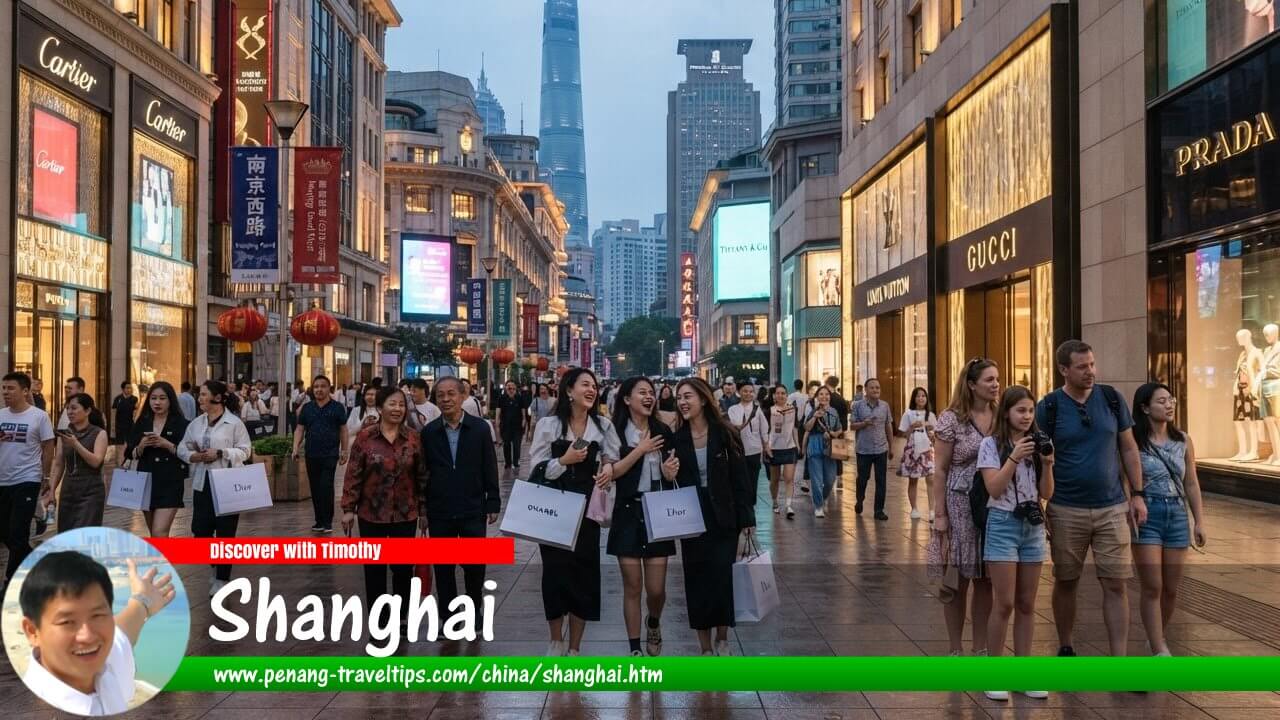 Shanghai, China (Photo edited with AI on 23 June 2026)
Also available: Shanghai (Malay Edition)
Shanghai (上海; Shànghǎi) is the largest city in China and one of the world's leading financial, commercial and cultural centres. Situated at the mouth of the Yangtze River on China's eastern coast, it is a city where centuries-old traditions stand alongside futuristic skyscrapers, historic neighbourhoods and some of Asia's busiest shopping districts. As China's most cosmopolitan metropolis, Shanghai offers visitors an exciting introduction to the country's rich heritage as well as its rapid modern development.1
For many international visitors, Shanghai serves as the gateway to China. The city is home to two international airports, one of the world's largest metro systems, an extensive high-speed rail network and one of the busiest container ports on Earth. Whether you are interested in history, architecture, cuisine, museums, shopping or business, Shanghai provides an excellent base from which to explore both the city itself and nearby destinations such as Suzhou, Hangzhou and the Yangtze River Delta.2
Quick Facts
- Official Name: Shanghai Municipality (上海市)
- Chinese Name: 上海 (Shànghǎi)
- Meaning of Name: "Upon the Sea" or "Above the Sea"
- Country: People's Republic of China
- Administrative Status: Provincial-level municipality directly administered by the central government
- Population: Approximately 25 million
- Area: About 6,341 km²
- Language: Mandarin Chinese (official); Shanghainese (Wu Chinese) widely spoken locally
- Currency: Renminbi (RMB), also known as the Chinese Yuan (CNY)
- Time Zone: China Standard Time (UTC+8)
- Major Airports: Shanghai Pudong International Airport (PVG) and Shanghai Hongqiao International Airport (SHA)
- Best Time to Visit: Spring (March–May) and Autumn (September–November)
- Famous For: The Bund, Lujiazui skyline, Shanghai Tower, Yu Garden, Nanjing Road, world-class shopping, cuisine and colonial-era architecture
Geography and Location of Shanghai
Shanghai is located on the eastern coast of China, where the Huangpu River meets the Yangtze River Delta before flowing into the East China Sea. Its strategic position at the mouth of the Yangtze River, China's longest river, has made Shanghai one of the country's most important ports and commercial centres for centuries. Today, it serves as the economic hub of mainland China and is widely regarded as one of the world's leading global cities.3
The municipality covers an area of approximately 6,341 square kilometres, stretching from the urban core on the western bank of the Huangpu River to the rapidly developed Pudong district on the eastern bank. Beyond the city centre, Shanghai also encompasses suburban districts, agricultural land, wetlands and several islands, the largest of which is Chongming Island, located in the Yangtze Estuary.4
The Yangtze River Delta
Shanghai occupies a central position within the Yangtze River Delta, one of the most economically dynamic regions in the world. This vast metropolitan area includes neighbouring cities such as Suzhou, Hangzhou, Nanjing, Wuxi and Ningbo, all of which are connected by an extensive network of expressways and high-speed rail lines. The region is home to hundreds of millions of people and contributes a significant share of China's economic output.5
For travellers, Shanghai serves as an excellent base for exploring eastern China. Many popular destinations can be reached in less than two hours by high-speed train, making day trips or multi-city itineraries both convenient and efficient.
The Huangpu River
The Huangpu River divides Shanghai into two distinct halves. On the western bank lies Puxi ("West of the River"), where many of the city's historic neighbourhoods, colonial-era buildings and traditional commercial districts are located. Across the river is Pudong ("East of the River"), a district that has transformed since the 1990s into a modern skyline filled with skyscrapers, financial institutions and futuristic architecture.6
The contrast between Puxi and Pudong is one of Shanghai's defining characteristics. Visitors can admire the historic waterfront along The Bund before crossing the river to experience the dramatic skyline of Lujiazui, home to some of the tallest buildings in the world.
Landscape and Environment
Unlike Beijing, which is surrounded by mountains, Shanghai is situated on a broad alluvial plain formed by centuries of sediment deposited by the Yangtze River. The city's terrain is generally flat, with most areas only a few metres above sea level. Numerous canals, rivers and waterways criss-cross the municipality, reflecting its long history as part of the Jiangnan water region.7
The abundance of waterways has shaped Shanghai's development and contributed to the prosperity of nearby ancient water towns such as Zhujiajiao, which remains a popular excursion from the city.
Climate
Shanghai has a humid subtropical climate with four distinct seasons. Summers are typically hot and humid, with temperatures often exceeding 30°C, while winters are generally cool and damp, although snowfall is uncommon. Spring and autumn are widely considered the most pleasant seasons to visit, offering comfortable temperatures, lower humidity and favourable conditions for sightseeing.8
Typhoons occasionally affect Shanghai during late summer and early autumn, although modern infrastructure and weather forecasting systems help minimise disruptions. Visitors travelling during this period should monitor local weather forecasts.
Shanghai's Strategic Importance
Shanghai's location has been central to its rise as one of the world's great cities. Positioned at the gateway to the Yangtze River, it connects China's vast inland provinces with international shipping routes across the Pacific and beyond. This strategic advantage transformed Shanghai from a modest riverside settlement into one of the world's busiest ports and an international centre of finance, trade and innovation.9
Its unique geographical setting continues to influence every aspect of the city, from its economy and transportation network to its multicultural character and global outlook, making Shanghai one of the most fascinating destinations for international travellers.
History of Shanghai
Shanghai has transformed from a small fishing village into one of the world's largest and most influential cities. Although its history stretches back more than a thousand years, the Shanghai that visitors see today is largely the result of rapid development during the past two centuries. Its strategic location at the mouth of the Yangtze River enabled it to become China's principal gateway for international trade, finance and cultural exchange.10
Early Beginnings
The area around present-day Shanghai was inhabited long before the city itself was established. During the Tang Dynasty (618–907), the region consisted mainly of fishing villages, salt-producing communities and agricultural settlements along the coast. Its extensive network of rivers and canals made it an important centre for fishing, rice cultivation and inland water transport.
By the Song Dynasty (960–1279), Shanghai had grown into a prosperous market town due to increasing maritime trade. Merchants transported silk, cotton, ceramics and agricultural products through its waterways, laying the foundations for the city's future commercial success.11
Becoming a County
In 1292, during the Yuan Dynasty, Shanghai was officially established as a county. This administrative recognition reflected its growing importance as a commercial settlement and trading port. Over the following centuries, particularly during the Ming and Qing dynasties, Shanghai became known for its thriving textile industry, especially cotton production and weaving.
Despite its commercial success, Shanghai remained considerably smaller than other major Chinese cities such as Beijing, Nanjing and Hangzhou. Its transformation into an international metropolis would not begin until the nineteenth century.
The Treaty Port Era
A defining moment in Shanghai's history came after the First Opium War (1839–1842). Under the Treaty of Nanking signed in 1842, Shanghai became one of the first Chinese ports opened to foreign trade. Soon afterwards, Britain, France and the United States established concessions where their citizens could live, trade and administer their own affairs.12
The opening of these foreign concessions brought unprecedented economic growth. Banks, shipping companies, trading houses and factories were established, attracting merchants, entrepreneurs and migrants from across China and around the world. Shanghai rapidly developed into East Asia's leading commercial city.
The International Settlement and French Concession
During the late nineteenth and early twentieth centuries, Shanghai became a unique multicultural city. The International Settlement and the French Concession developed their own distinctive streetscapes, combining European architectural styles with Chinese neighbourhoods.
Many of Shanghai's iconic historic buildings date from this period. Grand banks, hotels, customs houses and commercial buildings were constructed along The Bund, creating one of the world's most recognisable waterfront skylines. At the same time, tree-lined avenues, villas and cafés transformed the French Concession into one of the city's most fashionable districts.
The "Paris of the East"
By the 1920s and 1930s, Shanghai had earned the nickname "Paris of the East" and was regarded as one of the most cosmopolitan cities in the world. It was renowned for its nightlife, jazz clubs, theatres, cinemas, department stores and luxury hotels. Writers, artists, entrepreneurs and diplomats from many countries lived alongside Chinese residents, creating a vibrant international atmosphere.13
This period also witnessed rapid industrialisation and the emergence of Shanghai as China's financial capital. However, political instability and social inequality were also part of the city's complex history.
War and Political Change
Shanghai was deeply affected by the Second Sino-Japanese War, which began in 1937. The city experienced fierce fighting, foreign occupation and widespread hardship during the following years. After the establishment of the People's Republic of China in 1949, Shanghai continued to serve as one of the nation's most important industrial and commercial centres, although its international role changed significantly.
The Reform Era
China's economic reforms, introduced from the late 1970s onwards, ushered in a new chapter in Shanghai's history. One of the most significant developments was the opening of Pudong in the early 1990s. What had once been farmland and warehouses was transformed into a modern financial district filled with skyscrapers, multinational corporations and world-class infrastructure.14
Landmarks such as the Oriental Pearl Tower, Jin Mao Tower, Shanghai World Financial Center and Shanghai Tower became symbols of China's remarkable economic transformation.
Shanghai Today
Today, Shanghai is recognised as one of the world's foremost global cities. It is China's largest commercial and financial centre, home to one of the busiest container ports on Earth and a major hub for technology, innovation, fashion and culture. Despite its rapid modernisation, Shanghai continues to preserve many historic neighbourhoods, museums, temples and colonial-era buildings that reflect its rich and diverse past.
The city's unique history is evident everywhere—from the elegant architecture of The Bund and the charming streets of the former French Concession to the futuristic skyline of Pudong. This remarkable combination of heritage and modernity is one of the reasons why Shanghai remains one of Asia's most compelling destinations for international travellers.
Administrative Division of Shanghai
Shanghai is one of the four municipalities in China that are administered directly by the central government, giving it the same administrative status as a province. The municipality is divided into 16 districts, each with its own local government and distinctive character. While the historic city centre occupies only part of the municipality, Shanghai's administrative boundaries extend far beyond the urban core to include suburban communities, industrial zones, agricultural land and islands in the Yangtze Estuary.15
For visitors, understanding Shanghai's districts can be helpful when choosing accommodation, planning sightseeing and using public transport. Although the metro network makes travelling around the city relatively straightforward, many attractions are concentrated in a handful of central districts.
Huangpu District
Huangpu District is regarded as the historic heart of Shanghai. It is home to many of the city's best-known landmarks, including The Bund, Nanjing Road, People's Square, the Shanghai Museum and the Yu Garden. Most first-time visitors spend a significant portion of their trip exploring this district.
Huangpu offers an excellent combination of historic architecture, shopping, museums, restaurants and easy access to public transportation, making it one of the most convenient areas in which to stay.
Pudong New Area
Located east of the Huangpu River, Pudong represents modern Shanghai. Until the late twentieth century, much of the area consisted of farmland and warehouses, but it has since been transformed into one of the world's leading financial districts.
Pudong is home to many of Shanghai's iconic modern landmarks, including:
- Shanghai Tower.
- Shanghai World Financial Center.
- Jin Mao Tower.
- Oriental Pearl Tower.
- Shanghai Disneyland.
It also contains Shanghai Pudong International Airport, making it an important gateway for international visitors.
Jing'an District
Jing'an District combines historic sites with modern commercial developments. The district is named after the ancient Jing'an Temple, one of Shanghai's most important Buddhist temples.
Today, Jing'an is known for its luxury hotels, office towers, shopping centres, restaurants and vibrant nightlife. It is particularly popular with business travellers and visitors seeking an upscale urban experience.
Xuhui District
Xuhui District is one of Shanghai's most attractive residential and cultural districts. Much of the former French Concession lies within its boundaries, where tree-lined avenues, historic villas and European-style architecture create a distinctive atmosphere.
The district also contains universities, museums, art galleries, cafés and boutique shops, making it popular with both residents and visitors.
Changning District
Changning District is situated west of the city centre and includes Shanghai Hongqiao International Airport as well as the Hongqiao Railway Station.
Its convenient transport connections make Changning an excellent choice for travellers who plan to visit nearby cities such as Suzhou, Hangzhou and Nanjing by high-speed rail.
Hongkou District
Hongkou District is known for its historical significance and cultural diversity. During the first half of the twentieth century, it became home to one of the world's largest communities of Jewish refugees fleeing persecution in Europe.
Today, visitors can explore sites related to this remarkable chapter of Shanghai's history, including the Shanghai Jewish Refugees Museum.
Yangpu District
Yangpu District has evolved from a traditional industrial area into an important centre for education, research and innovation. It is home to several leading universities, technology companies and redeveloped waterfront areas.
Although it receives fewer tourists than central Shanghai, Yangpu offers an interesting glimpse into the city's ongoing urban transformation.
Minhang District
Minhang District occupies a large area in the southwestern part of Shanghai. It contains residential neighbourhoods, industrial parks, commercial developments and educational institutions. The district also serves as an important transportation corridor linking central Shanghai with Hongqiao Airport and neighbouring provinces.
Chongming District
Chongming District consists mainly of Chongming Island, the third-largest island in China. Located in the Yangtze Estuary, it is known for its wetlands, bird sanctuaries, forests and eco-tourism attractions.
For visitors seeking a quieter experience away from the bustling city centre, Chongming offers opportunities for cycling, nature walks and observing migratory birds.
Other Districts
The remaining districts include Baoshan, Jiading, Qingpu, Songjiang, Fengxian, Jinshan and Putuo. While they are less frequently visited by international tourists, they contribute significantly to Shanghai's economy through manufacturing, logistics, education, research and residential development. Some also feature ancient water towns, parks and cultural attractions that reward visitors willing to venture beyond the city's main tourist areas.
Together, Shanghai's districts illustrate the remarkable diversity of the municipality. Within a single city, visitors can experience colonial-era boulevards, futuristic financial districts, tranquil gardens, historic temples, modern universities, traditional water towns and protected wetlands, reflecting Shanghai's evolution into one of the world's most dynamic metropolitan areas.
Getting to Shanghai
Shanghai is one of the most accessible cities in Asia, serving as a major international gateway to China. The city is connected to hundreds of destinations worldwide through its two international airports, while an extensive high-speed rail network links Shanghai with most of China's major cities. Whether arriving by air, rail, cruise ship or long-distance coach, visitors will find that reaching Shanghai is both convenient and efficient.16
By Air
Shanghai is served by two major airports, each catering to different types of travellers and flight routes.
Shanghai Pudong International Airport (PVG)
Shanghai Pudong International Airport is the city's primary international airport and one of the busiest aviation hubs in Asia. Located about 30 kilometres east of the city centre, it handles the majority of long-haul international flights as well as numerous domestic services.
The airport features two passenger terminals and two satellite concourses, serving airlines from around the world. It is also directly connected to central Shanghai by the Shanghai Maglev Train, metro services, airport buses and taxis.
Many visitors arriving from Europe, North America, Australia, Southeast Asia and the Middle East will enter China through Pudong International Airport.
Shanghai Hongqiao International Airport (SHA)
Shanghai Hongqiao International Airport is located approximately 13 kilometres west of the city centre. Although it also handles some international flights, its primary role is serving domestic routes and selected regional destinations.
Hongqiao Airport is integrated with the massive Shanghai Hongqiao Railway Station, making it particularly convenient for travellers combining flights with China's high-speed rail network.
Flights from Malaysia
Shanghai is well connected with Malaysia through regular scheduled flights. Direct services are commonly available from Kuala Lumpur, while additional connections can be made through other Asian aviation hubs.
Airlines serving routes between Malaysia and Shanghai may include:
- Malaysia Airlines.
- AirAsia X.
- China Eastern Airlines.
- China Southern Airlines.
- Singapore Airlines (via Singapore).
- Cathay Pacific (via Hong Kong).
- Other regional carriers depending on seasonal schedules.
Flight schedules and airline services may vary throughout the year, so travellers should check directly with the respective airlines when planning their journey.
By High-Speed Rail
Shanghai is one of the principal hubs of China's world-renowned high-speed railway network. Modern high-speed trains connect the city with Beijing, Hangzhou, Suzhou, Nanjing, Xi'an, Guangzhou, Shenzhen, Hong Kong and many other destinations.
The main railway stations serving long-distance passengers are:
- Shanghai Railway Station.
- Shanghai Hongqiao Railway Station.
- Shanghai South Railway Station.
For many travellers already visiting other parts of China, high-speed rail is often the fastest, most comfortable and environmentally friendly way to reach Shanghai.
By Conventional Rail
In addition to high-speed trains, conventional railway services connect Shanghai with cities throughout China. These trains remain a popular option for budget-conscious travellers and those wishing to experience overnight rail journeys across the country.
By Cruise Ship
Shanghai is one of Asia's leading cruise destinations. International cruise ships regularly call at the city's passenger terminals, particularly on itineraries around East Asia.
Cruise passengers can often combine visits to Shanghai with ports in Japan, South Korea and other coastal cities in China.
By Long-Distance Coach
An extensive network of long-distance coaches links Shanghai with nearby cities and provinces. While coaches are generally slower than high-speed trains, they remain an option for destinations not directly served by rail.
Travelling from Nearby Cities
Shanghai is ideally located for visitors exploring eastern China. Thanks to the high-speed rail network, several major cities can be reached within a relatively short time.
- Suzhou: Approximately 30–45 minutes.
- Hangzhou: Approximately 45–60 minutes.
- Nanjing: Approximately 1½–2 hours.
- Beijing: Approximately 4½–6 hours.
These excellent transport links make Shanghai an ideal starting point for exploring the Yangtze River Delta and other regions of eastern China.
Entry Requirements
International visitors must comply with China's current immigration requirements before travelling. Passport validity, visa policies and entry procedures may change over time, so travellers should consult the nearest Chinese embassy or consulate, or the official immigration authorities, before departure.
Visitors should also ensure they meet any applicable customs, health or arrival requirements that may be in force at the time of travel.
With two world-class airports, an extensive railway network and excellent domestic and international connections, Shanghai is one of the easiest cities in China to reach. Its outstanding transport infrastructure makes it an ideal gateway not only to the city itself but also to many of eastern China's most popular destinations.
Getting Around Shanghai
Shanghai has one of the most comprehensive urban transportation systems in the world, making it relatively easy for visitors to explore the city. The combination of an extensive metro network, buses, taxis, ride-hailing services, ferries and pedestrian-friendly districts allows travellers to move efficiently between historic neighbourhoods, shopping areas, business districts and tourist attractions.
Although Shanghai is a very large city, its excellent public transport system means that visitors do not necessarily need to rely on private vehicles. With some basic preparation, even first-time visitors can navigate the city comfortably.
Shanghai Metro
The Shanghai Metro is the backbone of the city's public transportation system and is one of the largest metro networks in the world. It connects almost every major tourist attraction, commercial district, railway station and residential area.
The metro is popular among visitors because it is:
- Fast and reliable.
- Affordable compared with taxis.
- Available across most parts of the city.
- Easy to use with station names displayed in both Chinese and English.
Major tourist locations accessible by metro include:
- The Bund.
- People's Square.
- Nanjing Road.
- Yu Garden.
- Shanghai Museum.
- Lujiazui financial district.
- Shanghai Disneyland.
Metro Tickets and Payment
Visitors can purchase single-journey tickets from ticket machines at stations or use rechargeable transport cards for greater convenience.
Common payment options include:
- Shanghai Public Transportation Card.
- Mobile payment systems.
- Digital transport services linked to local payment platforms.
Travellers who plan to use the metro frequently may find a transport card more convenient, especially when travelling with family members.
Buses
Shanghai has an extensive public bus network covering areas that are not directly served by the metro. Buses are useful for shorter journeys, exploring local neighbourhoods and reaching attractions away from major metro stations.
However, buses can be more challenging for foreign visitors because routes and announcements may be less familiar than the metro system. Using a navigation application is recommended when travelling by bus.
Taxis
Taxis remain a convenient option, particularly for travellers carrying luggage, travelling in groups or visiting places that require multiple transfers by public transport.
Official taxis in Shanghai are generally metered, and passengers should ensure that the meter is used for the journey. Keeping the destination name in Chinese characters can help avoid communication difficulties.
Ride-Hailing Services
Ride-hailing applications are widely used in Shanghai and are popular among both locals and visitors. They offer the convenience of booking a car through a mobile application and displaying the destination clearly.
Visitors should prepare their preferred payment method before using these services, as digital payment is deeply integrated into daily life in China.
Walking Around Shanghai
Despite its enormous size, many of Shanghai's most interesting areas are best explored on foot. Walking allows visitors to appreciate the city's unique combination of historic architecture, modern skyscrapers, traditional lanes and local neighbourhoods.
Excellent walking areas include:
- The Bund waterfront.
- Nanjing Road pedestrian street.
- Former French Concession.
- Tianzifang.
- Xintiandi.
- Yu Garden surroundings.
Huangpu River Ferry
The Huangpu River ferry provides an affordable and scenic way to travel between Puxi and Pudong. Although many visitors choose river cruises for sightseeing, the public ferry offers a practical alternative for crossing the river while enjoying views of Shanghai's skyline.
Bicycles and Shared Mobility
Shared bicycles are available throughout Shanghai and can be useful for short-distance travel, especially in neighbourhoods with dedicated cycling areas.
Cycling is particularly enjoyable in areas such as:
- The Former French Concession.
- Waterfront areas.
- Quiet residential streets.
However, cyclists should remain cautious because traffic conditions in central Shanghai can be busy.
Travelling Between Pudong and Puxi
The Huangpu River separates Shanghai's two major urban areas: Puxi, where the historic city developed, and Pudong, the modern financial district.
Visitors can travel between them by:
- Metro tunnels.
- Road bridges.
- Public ferries.
- Taxi or ride-hailing services.
The metro is usually the most convenient option, while the ferry provides one of the most enjoyable views of Shanghai's skyline.
Practical Transport Tips
- Download maps and transport information before travelling.
- Keep hotel addresses written in Chinese characters.
- Avoid travelling during peak commuting hours when possible.
- Allow extra time when visiting distant attractions.
- Wear comfortable shoes because many attractions involve considerable walking.
With its extensive metro network and diverse transport options, Shanghai is a remarkably accessible city despite its enormous size. Understanding the different ways to travel around the city allows visitors to spend less time worrying about logistics and more time enjoying its history, culture, food and attractions.
Best Time to Visit Shanghai
Shanghai can be visited throughout the year, with each season offering a different experience. The city has a humid subtropical climate with four distinct seasons, unlike the tropical climate experienced by many visitors from Southeast Asia. The best time to visit Shanghai is generally during spring and autumn when temperatures are comfortable and outdoor sightseeing is most enjoyable.17
However, the ideal travel period depends on the visitor's interests. Some travellers prefer the pleasant weather of spring, while others enjoy autumn's clear skies, winter's festive atmosphere or summer's longer daylight hours.
Spring (March to May)
Spring is widely considered one of the best seasons to visit Shanghai. Temperatures gradually rise from cool to warm, making it comfortable for walking tours, sightseeing and exploring outdoor attractions.
Highlights of visiting Shanghai during spring include:
- Comfortable weather for exploring The Bund and historic neighbourhoods.
- Blooming flowers in parks and gardens.
- Pleasant conditions for day trips to nearby destinations.
- Fewer weather-related disruptions compared with summer.
Popular spring attractions include Yu Garden, botanical gardens, waterfront areas and the tree-lined streets of the Former French Concession.
Summer (June to August)
Summer in Shanghai is hot, humid and occasionally affected by heavy rainfall. Temperatures frequently rise above 30°C, and the combination of heat and humidity can make outdoor sightseeing more challenging, especially during the afternoon.
Nevertheless, summer remains a popular travel season because of school holidays and longer daylight hours.
Visitors travelling during summer should:
- Carry drinking water when exploring outdoors.
- Plan sightseeing during morning or evening hours.
- Use sun protection.
- Allow time for indoor attractions such as museums and shopping centres.
Late summer may also bring typhoons, although Shanghai's modern infrastructure helps minimise major disruptions.
Autumn (September to November)
Autumn is often regarded as the best overall season to visit Shanghai. The weather becomes cooler, humidity decreases and skies are generally clearer, creating excellent conditions for sightseeing and photography.
Advantages of visiting in autumn include:
- Comfortable temperatures.
- Excellent conditions for walking tours.
- Beautiful autumn scenery in parks and historic districts.
- Ideal weather for day trips.
The period from October to early November is particularly popular among visitors seeking comfortable weather without the extreme heat of summer.
Winter (December to February)
Winter in Shanghai is cold, damp and often cloudy. Temperatures are generally above freezing, although the humidity can make the weather feel colder than expected for visitors from warmer countries.
Winter has several advantages:
- Fewer international tourists.
- Shorter queues at popular attractions.
- Lower accommodation prices outside peak periods.
- A quieter atmosphere for exploring museums and historic areas.
Visitors from tropical countries should prepare warm clothing, as Shanghai's winter conditions can be a significant adjustment.
Chinese Public Holidays
Visitors should be aware that China's major public holidays can significantly affect travel conditions. During these periods, tourist attractions, transport hubs and hotels can become extremely crowded.
The busiest travel periods include:
- Chinese New Year (Spring Festival): Usually between January and February.
- Labour Day Holiday: Early May.
- National Day Golden Week: Early October.
During these holidays, visitors should book transport and accommodation well in advance and expect larger crowds at major attractions.
Best Months for Different Activities
The ideal time to visit Shanghai may vary depending on travel interests:
- Walking tours and sightseeing: March to May and September to November.
- Photography: Autumn and clear winter days.
- Shopping: Year-round, especially during major sales periods.
- Museums and indoor attractions: Suitable throughout the year.
- Day trips to water towns: Spring and autumn are most comfortable.
Travel Advice for International Visitors
Travellers should check weather forecasts before departure and pack according to the season. Shanghai's weather can change quickly, particularly during spring and autumn transition periods.
For visitors from Malaysia and other tropical countries, spring and autumn generally provide the most comfortable experience because they avoid both the intense summer humidity and the cold winter conditions.
Ultimately, Shanghai is a destination that rewards visitors in every season. Whether exploring historic streets under spring blossoms, enjoying riverside views during autumn evenings or discovering museums and restaurants during winter, the city offers memorable experiences throughout the year.
Where to Stay in Shanghai
Shanghai offers a wide range of accommodation options, from luxury hotels overlooking the Huangpu River to budget-friendly hostels and modern business hotels. Because the city is spread across a large area, choosing the right neighbourhood is an important part of planning a successful visit. The best place to stay depends on the traveller's interests, budget and planned activities.
For first-time visitors, areas around The Bund, People's Square and Nanjing Road are among the most convenient because they provide easy access to major attractions. However, other districts such as the Former French Concession, Jing'an and Pudong offer unique experiences that may better suit different types of travellers.
The Bund and Huangpu District
The Bund is one of the most iconic areas of Shanghai and a popular choice for first-time visitors. Located along the western bank of the Huangpu River, it offers spectacular views of the Pudong skyline and places travellers within walking distance of many historic attractions.
Advantages of staying near The Bund include:
- Walking distance to historic landmarks.
- Easy access to Nanjing Road and People's Square.
- Excellent restaurants and cafés.
- Beautiful night views of Shanghai's skyline.
The main disadvantage is that accommodation in this area is generally more expensive, especially hotels with river views.
People's Square
People's Square is one of the most convenient central locations in Shanghai. Situated in Huangpu District, it is surrounded by museums, shopping streets, restaurants and major transport connections.
This area is suitable for:
- First-time visitors.
- Travellers who want easy access to attractions.
- Visitors relying mainly on the metro.
- Short stays in Shanghai.
Nearby attractions include Shanghai Museum, Shanghai Urban Planning Exhibition Centre and Nanjing Road Pedestrian Street.
Nanjing Road
Nanjing Road is Shanghai's most famous shopping street and one of the busiest commercial areas in China. Staying nearby places visitors close to department stores, restaurants, entertainment venues and excellent transport links.
This area is ideal for travellers who enjoy:
- Shopping.
- Night-time activities.
- Urban atmosphere.
- Convenient dining options.
The pedestrian section of Nanjing Road is particularly lively after sunset when illuminated signs create one of Shanghai's most recognisable city scenes.
Former French Concession
The Former French Concession is one of Shanghai's most charming neighbourhoods. Known for its tree-lined streets, historic villas, cafés, boutiques and artistic atmosphere, it offers a very different experience from the busy commercial districts.
This area is popular among:
- Couples.
- Culture enthusiasts.
- Longer-stay visitors.
- Travellers who enjoy walking and exploring local neighbourhoods.
Although it is not directly beside Shanghai's major landmarks, its excellent metro connections make it a comfortable place to stay.
Jing'an District
Jing'an is an upscale district known for luxury hotels, shopping centres, restaurants and modern urban living. It combines historic attractions such as Jing'an Temple with contemporary developments.
Jing'an is suitable for:
- Business travellers.
- Luxury travellers.
- Visitors seeking quality dining and shopping.
- Travellers who prefer a quieter environment than the city centre.
Pudong
Pudong is Shanghai's modern financial district and home to some of the city's most recognisable skyscrapers. It offers impressive views, modern hotels and convenient access to Shanghai Pudong International Airport.
Staying in Pudong is suitable for:
- Business travellers.
- Visitors with early flights from Pudong Airport.
- Families visiting Shanghai Disneyland.
- Travellers interested in modern architecture.
However, visitors should note that Pudong is separated from the historic city centre by the Huangpu River, so reaching attractions in Puxi may require additional travel time.
Hongqiao Area
Hongqiao is located in western Shanghai and is an important transportation hub containing Hongqiao Airport and Hongqiao Railway Station.
This area is particularly convenient for:
- Travellers arriving or departing by high-speed rail.
- Business visitors attending events nearby.
- Travellers planning trips to nearby cities such as Suzhou and Hangzhou.
Although it is farther from Shanghai's historic attractions, it offers modern hotels and excellent transport connections.
Accommodation Types in Shanghai
Shanghai offers accommodation for every budget and travel style.
- Luxury hotels: International five-star hotels are available near The Bund, Pudong and Jing'an.
- Mid-range hotels: A practical choice for most travellers, offering comfort and convenient locations.
- Budget hotels: Available near transport hubs and outer districts.
- Serviced apartments: Suitable for families and longer stays.
- Hostels: Popular among backpackers and younger travellers.
Choosing the Right Area
For first-time visitors spending only a few days in Shanghai, staying near the central districts of Huangpu, People's Square or Nanjing Road is usually the most convenient choice. Travellers interested in atmosphere and local culture may prefer the Former French Concession, while business travellers may find Pudong or Hongqiao more suitable.
Wherever visitors choose to stay, Shanghai's excellent metro system makes most parts of the city accessible. A well-chosen location can greatly enhance the experience, allowing more time to explore the city's history, cuisine, architecture and vibrant urban life.
The Bund and Shanghai's Historic Waterfront
The Bund (外滩; Wàitān) is Shanghai's most famous waterfront landmark and one of the most recognisable urban landscapes in China. Located along the western bank of the Huangpu River in Huangpu District, The Bund offers visitors a spectacular view of Shanghai's historic architecture on one side and the futuristic skyline of Pudong on the other.18
For more than a century, The Bund has represented Shanghai's role as an international trading port. Its elegant buildings, built mainly during the late nineteenth and early twentieth centuries, reflect the city's period as a centre of global commerce and cultural exchange. Today, it remains one of the most visited places in Shanghai, attracting travellers who come to admire its architecture, history and unforgettable night views.
History of The Bund
The development of The Bund began after Shanghai was opened as a treaty port in 1842. As foreign banks, trading companies and shipping firms established operations in the city, the waterfront became the centre of international business activity.
During the early twentieth century, impressive buildings were constructed along the waterfront, housing banks, insurance companies, hotels and commercial organisations. This concentration of financial institutions earned Shanghai the reputation of being the "Wall Street of Asia" during its golden age.19
The architecture along The Bund reflects the international character of Shanghai at the time, incorporating styles such as neoclassical, Gothic, baroque and art deco. Many buildings were designed by foreign architects but constructed using local materials and craftsmanship.
Architecture of The Bund
The Bund contains a collection of approximately 50 historic buildings, often referred to as an "architectural museum" because of the variety of styles represented along the waterfront.
Notable buildings include:
- Customs House: Famous for its clock tower and role in Shanghai's maritime trade history.
- Peace Hotel: One of Shanghai's most iconic hotels, known for its historic Art Deco design.
- Bank of China Building: A landmark representing the development of Chinese banking.
- Hong Kong and Shanghai Banking Corporation Building: One of the most impressive historic financial buildings in Shanghai.
Many of these buildings have been carefully preserved and continue to serve as hotels, restaurants, offices and cultural spaces.
Walking Along The Bund
Walking along The Bund is one of the essential experiences for visitors to Shanghai. The riverside promenade provides excellent views of both historic Puxi and modern Pudong.
A typical walk allows visitors to experience:
- Historic European-style architecture.
- Views of Huangpu River traffic.
- The Shanghai skyline across the river.
- Street photography opportunities.
- Nearby shopping and dining areas.
The best time for a walk is usually around sunset, when the changing light creates dramatic views of the buildings and river.
The Bund at Night
The Bund becomes especially impressive after dark when the buildings along the waterfront are illuminated and the skyscrapers of Pudong light up across the Huangpu River.
The famous night view features:
- Shanghai Tower.
- Shanghai World Financial Center.
- Jin Mao Tower.
- Oriental Pearl Tower.
The contrast between the historic buildings of The Bund and the futuristic skyline of Pudong represents Shanghai's unique identity as a city connecting the past and the future.
Huangpu River Cruises
Huangpu River cruises are a popular way to appreciate Shanghai's skyline from the water. Cruises usually pass between the historic waterfront of The Bund and the skyscrapers of Pudong, offering panoramic views of both sides of the city.
Evening cruises are particularly popular because they showcase Shanghai's illuminated skyline. They are suitable for visitors who want a relaxed introduction to the city's most famous scenery.
Nearby Attractions
The Bund is located within walking distance of several important attractions and neighbourhoods.
- Nanjing Road: Shanghai's most famous shopping street.
- People's Square: A major cultural and transport hub.
- Yu Garden: A traditional Chinese garden nearby.
- Huangpu River waterfront: Popular for walking and photography.
Best Time to Visit The Bund
The Bund can be visited throughout the year, but the experience varies depending on weather and crowd levels.
- Early morning: Best for peaceful walks and photography.
- Late afternoon: Ideal for enjoying sunset views.
- Evening: Best for experiencing Shanghai's famous illuminated skyline.
Visitors should expect larger crowds during weekends, public holidays and peak tourist seasons.
Travel Tips for Visiting The Bund
- Wear comfortable shoes as the waterfront promenade involves considerable walking.
- Visit both during daylight and at night to experience different views.
- Bring a camera for skyline photography.
- Check weather conditions, as clear skies provide the best views of Pudong.
- Combine the visit with nearby attractions in Huangpu District.
The Bund remains the symbolic heart of Shanghai, where the city's remarkable journey from a nineteenth-century trading port to a twenty-first-century global metropolis can be seen in a single panorama. A visit to Shanghai is incomplete without experiencing this historic waterfront and witnessing the extraordinary contrast between old and new Shanghai.
Shanghai's Modern Landmarks and Pudong Skyline
Shanghai's modern skyline is one of the most recognisable in the world, symbolising China's rapid economic transformation and its ambition as a global city. Across the Huangpu River from the historic buildings of The Bund lies Pudong, a district that has been transformed since the 1990s from a relatively undeveloped area into a world-class financial and commercial centre.20
The Lujiazui financial district in Pudong is home to some of China's tallest and most innovative skyscrapers. Together, these buildings form one of the most photographed skylines in Asia and provide visitors with spectacular observation decks, shopping, dining and entertainment experiences.
Lujiazui Financial District
Lujiazui is the heart of Shanghai's modern financial district and one of the most important economic centres in China. Located on the eastern bank of the Huangpu River, it is home to major banks, multinational corporations, financial institutions and some of the city's most iconic buildings.
The rapid development of Lujiazui began in the early 1990s as part of China's economic reform programme. Within just a few decades, the area was transformed into a futuristic business district that became a symbol of Shanghai's rise on the global stage.
Shanghai Tower
Shanghai Tower (上海中心大厦) is the tallest building in China and one of the tallest skyscrapers in the world. Standing at 632 metres, its distinctive twisting design represents modern engineering and sustainable architecture.21
The tower's observation deck, located on the upper floors, provides visitors with breathtaking views across Shanghai. On clear days, visitors can see The Bund, Huangpu River, surrounding districts and the vast urban landscape extending far beyond the city centre.
The building also contains offices, hotels, restaurants and exhibition spaces, making it more than just an observation attraction.
Shanghai World Financial Center
Shanghai World Financial Center is one of Shanghai's most distinctive skyscrapers, recognised by its trapezoid-shaped opening near the top. Completed in 2008, the building became an important symbol of Shanghai's growing role as an international financial hub.
The observation deck offers impressive views of the surrounding skyline and provides visitors with a unique perspective of Shanghai Tower, Jin Mao Tower and the Huangpu River.
Jin Mao Tower
Jin Mao Tower was one of Shanghai's earliest major skyscrapers and remains an important part of the Lujiazui skyline. Completed in 1999, its design combines modern skyscraper engineering with traditional Chinese architectural influences.
The building features an observation deck and a famous atrium extending through the upper floors, creating a dramatic interior space. It is also home to the Grand Hyatt Shanghai, which occupies many of the tower's upper levels.
Oriental Pearl Tower
Oriental Pearl Tower (东方明珠塔) is one of Shanghai's most recognisable landmarks. Completed in 1994, its unique design featuring several spheres has become a symbol of the city.
The tower offers:
- Observation platforms.
- Panoramic views of Shanghai.
- A revolving restaurant.
- A museum exploring Shanghai's history.
Although newer skyscrapers have surpassed its height, the Oriental Pearl Tower remains one of Shanghai's most beloved and photographed attractions.
Shanghai World Expo Site
The former site of the 2010 Shanghai World Expo has been transformed into a cultural and urban development area. The Expo played an important role in showcasing Shanghai's international ambitions and introduced millions of visitors to the city's modernisation.
Today, the area continues to host museums, cultural venues and public spaces along the Huangpu River.
Shanghai Disneyland
Shanghai Disneyland is one of China's most popular family attractions and the first Disney theme park in mainland China. Located in Pudong, it combines the traditional Disney experience with elements inspired by Chinese culture and design.
The park features:
- Theme lands with different experiences.
- Entertainment shows.
- Family attractions.
- Restaurants and shopping areas.
Shanghai Disneyland is particularly popular among families travelling with children, although visitors of all ages can enjoy its unique attractions.
Pudong Waterfront
The Pudong waterfront provides one of the best locations to admire Shanghai's skyline. Walking along the riverside offers a different perspective from The Bund, allowing visitors to look back across the Huangpu River towards the historic city.
The area is especially beautiful at night when the skyscrapers are illuminated and reflected on the river.
Visiting Shanghai's Modern Landmarks
Visitors interested in Shanghai's modern architecture can explore Pudong through a combination of walking, metro travel and observation deck visits.
A popular itinerary includes:
- Morning visit to Shanghai Tower.
- Exploring Lujiazui financial district.
- Visiting Oriental Pearl Tower.
- Walking along the Pudong waterfront.
- Evening skyline views from across the Huangpu River.
Shanghai's modern landmarks demonstrate how quickly a city can transform itself while maintaining a connection with its past. Standing between the historic architecture of The Bund and the futuristic towers of Pudong, visitors can experience the remarkable story of Shanghai — a city constantly reinventing itself while remaining one of China's most important cultural and economic centres.
Shanghai's Historic and Cultural Attractions
Shanghai is often associated with skyscrapers, shopping and international business, but beneath its modern appearance lies a rich cultural heritage shaped by centuries of Chinese history. The city preserves traditional gardens, ancient temples, historic neighbourhoods and world-class museums that allow visitors to discover a different side of Shanghai beyond its famous skyline.
From classical Chinese architecture to Buddhist temples and cultural institutions, Shanghai offers numerous attractions that showcase the city's connection with China's long artistic and spiritual traditions.
Yu Garden
Yu Garden (豫园; Yù Yuán) is one of Shanghai's most famous traditional Chinese gardens and one of the finest examples of classical garden design in the Jiangnan region. Located in the heart of the Old City, the garden was originally built during the Ming Dynasty in the sixteenth century by Pan Yunduan, a government official who created it as a private garden for his parents.22
The garden features elegant pavilions, rockeries, ponds, bridges and carefully arranged landscapes designed according to traditional Chinese principles of harmony between architecture and nature.
Highlights of Yu Garden include:
- The Exquisite Jade Rock.
- Traditional pavilions and halls.
- Beautifully designed ponds and bridges.
- Classical garden scenery.
Adjacent to the garden is the lively Yuyuan Bazaar, where visitors can explore traditional snacks, souvenirs, tea shops and local handicrafts.
City God Temple
City God Temple (城隍庙; Chénghuáng Miào) is one of Shanghai's most important traditional religious sites. Dedicated to the City God, a protective deity believed to safeguard the local community, the temple reflects the traditional Chinese belief system that combines folk religion, Taoism and local customs.
The surrounding area developed into one of Shanghai's oldest commercial districts, where visitors can experience traditional architecture, local food and souvenir shopping.
Shanghai Museum
Shanghai Museum is one of China's most important museums and is renowned for its extensive collection of ancient Chinese art and cultural artefacts. Located at People's Square, the museum's distinctive circular design represents traditional Chinese concepts of heaven and earth.
The museum houses collections covering:
- Ancient Chinese bronzes.
- Chinese ceramics.
- Calligraphy.
- Paintings.
- Sculpture.
- Traditional furniture.
- Ethnic minority art.
For visitors seeking an introduction to China's long history and artistic achievements, Shanghai Museum is one of the city's most rewarding cultural attractions.
Jade Buddha Temple
Jade Buddha Temple (玉佛禅寺; Yùfó Chánsì) is one of Shanghai's most famous Buddhist temples. Established in the late nineteenth century, it is known for its two jade Buddha statues brought from Burma (present-day Myanmar).23
The temple remains an active place of worship, where visitors can observe Buddhist rituals and appreciate traditional Chinese temple architecture.
The most famous features include:
- The seated Jade Buddha statue.
- The reclining Jade Buddha statue.
- Traditional Buddhist halls.
- Religious artwork and decorations.
Longhua Temple
Longhua Temple (龙华寺; Lónghuá Sì) is one of the oldest and largest Buddhist temples in Shanghai. Its history dates back more than a thousand years, although many existing structures were rebuilt during later periods.
The temple complex includes traditional halls, Buddhist statues and the historic Longhua Pagoda, one of Shanghai's most recognisable ancient structures.
Longhua Temple provides visitors with a peaceful contrast to Shanghai's busy commercial districts and offers insight into the city's long Buddhist traditions.
Former French Concession
The Former French Concession is one of Shanghai's most atmospheric historic areas. Established in the nineteenth century, it developed into a distinctive neighbourhood known for its tree-lined streets, European-style buildings, villas and cultural diversity.
Today, the area is popular for:
- Walking tours.
- Historic architecture.
- Boutique shops.
- Cafés and restaurants.
- Art galleries.
Popular streets and areas include Huaihai Road, Wukang Road, Sinan Road and Tianzifang. These neighbourhoods offer visitors a more relaxed experience compared with Shanghai's busy commercial centres.
Tianzifang
Tianzifang is a preserved neighbourhood of traditional alleyways known for its artistic atmosphere. Former residential buildings have been transformed into small galleries, cafés, craft shops and creative studios.
Although increasingly popular with tourists, Tianzifang retains much of the charm of Shanghai's traditional shikumen neighbourhoods — a unique architectural style combining Western and Chinese influences.
Xintiandi
Xintiandi is a fashionable lifestyle district that combines restored historic shikumen buildings with modern restaurants, cafés and shops. It is one of Shanghai's best examples of preserving heritage while adapting old neighbourhoods for contemporary urban life.
The area is also historically significant because it contains the site of the First National Congress of the Chinese Communist Party, an important location in modern Chinese history.
Shanghai's Cultural Identity
Shanghai's cultural attractions reveal the many layers of the city's identity. Traditional gardens and temples reflect ancient Chinese civilisation, while museums preserve the nation's artistic achievements. Historic neighbourhoods demonstrate the influence of different cultures that shaped Shanghai during its development as an international port.
For visitors, exploring these cultural attractions provides a deeper understanding of Shanghai beyond its modern skyline. They reveal a city where Chinese traditions, international influences and contemporary lifestyles continue to exist side by side.
Sights in Shanghai
- French Concession
Once a foreigner's enclave, today the French Concession is an upscale residential and retail neighborhood. - Fuxing Park
Park located within the French Concession still bearing elements of French garden style. - Hongkong and Shanghai Bank Building
Historic building on the Bund, today housing the Shanghai Pudong Development Bank. - Hongkou Park
Park with lake to the north of Suzhou Creek, where the locals go for boat rides. - Huangpu River
Famous river that flows through Shanghai. - Jade Buddha Temple
Also known as the Shanghai Yufo Temple, this is one of the most famous Buddhist temples in Shanghai. - Jin Mao Tower
This is one of the first major skyscrapers in the Pudong district of Shanghai. - Jing'an Temple
An important temple with a history going back to the 3rd century AD. - Longhua Cemetery of Martyrs
Cemetery of those who died to advance the communist caused, located where the Nationalist executed hundreds of Communists. - Nanjing Road
The most famous road in Shanghai, major location for the biggest department stores of the city. - Old Bank of China Building
Heritage building on the Bund. - Oriental Pearl Tower
An observation and telecommunication tower in Pudong district with a dramatic design. - Peace Hotel
Famous historic hotel on the Bund. - People's Park & Square
Famous public square in the heart of Shanghai. - Pudong
New development precinct of Shanghai, and home to its tallest skyscrapers. - Shanghai Art Museum
Museum housed in the former clubhouse of the Shanghai Racing Club. - Shanghai Exhibition Centre
Grim, Soviet-style structure erected in 1954. - Shanghai Grand Theatre
A mammoth theater designed by a French architect. - Shanghai Museum
Huge museum housing over 120,000 artifacts. - Shanghai Urban Planning Exhibition Hall
Six storey complex showcasing the urban development of Shanghai. - Shanghai World Financial Center
Momentarily the tallest skyscraper in Shanghai. - Site of the First National Congress of the Chinese Communist Party
Historic house within the French Concession. - Song Qingling's Former Residence
Former residence of the wife of Dr Sun Yat-sen. - The Bund
Famous riverside promenade in Shanghai. - Xujiahui Catholic Cathedral
Gothic-style Roman Catholic Cathedral of St Ignatius. - Yuyuan Garden
Garden next to the ancient city park of Shanghai.
Sights in the vicinity of Shanghai
- She Shan
Hill to the southwest of Shanghai. - Song Jiang
Charming little town between Shanghai and Hangzhou.
Shanghai's Islamic Heritage and Muslim-Friendly Attractions
Shanghai has a lesser-known but significant Islamic heritage that reflects the long history of Muslim communities in China. Although Muslims form a small proportion of Shanghai's population today, Islam has been present in the city for centuries through trade, migration and the movement of Hui Muslim communities from other parts of China. Visitors interested in religious history and cultural diversity will find several historic mosques and Islamic sites that reveal another dimension of Shanghai's multicultural identity.
Unlike some cities in western China where Muslim culture is more visible in daily life, Shanghai's Islamic heritage is often found within historic neighbourhoods and religious buildings integrated into the wider urban landscape.
History of Islam in Shanghai
Islam reached China more than a thousand years ago through Arab and Persian merchants who travelled along maritime and overland trade routes. Muslim traders and communities gradually settled in major commercial centres, including coastal cities connected to international trade.
As Shanghai developed into an international port during the nineteenth and twentieth centuries, Muslim migrants from different parts of China arrived in the city for business, education and employment. Hui Muslims, known traditionally for their trading networks, played an important role in establishing mosques, restaurants and community organisations.
Shanghai's Muslim community reflects the wider diversity of Chinese Islam, which includes Hui Muslims as well as Muslims from various ethnic backgrounds who have moved to the city over generations.
Shanghai Songjiang Mosque
Shanghai Songjiang Mosque (松江清真寺; Sōngjiāng Qīngzhēnsì) is one of the oldest mosques in Shanghai and among the earliest Islamic places of worship in the region. Located in Songjiang District, southwest of central Shanghai, the mosque has a history dating back several centuries.24
The mosque reflects the historical interaction between Islamic and Chinese architectural traditions. Unlike many Middle Eastern mosques, traditional Chinese mosques often incorporate local architectural features such as courtyards, tiled roofs and Chinese-style halls.
Visitors interested in Shanghai's religious heritage may find Songjiang Mosque particularly meaningful because it represents the long presence of Islam in the Yangtze River Delta region.
Xiaotaoyuan Mosque
Xiaotaoyuan Mosque (小桃园清真寺; Xiǎotáoyuán Qīngzhēnsì) is one of Shanghai's best-known mosques and an important centre for the city's Muslim community. Located in Huangpu District, it is relatively accessible for visitors staying in central Shanghai.
The mosque serves local worshippers and visitors, particularly during Friday prayers and Islamic festivals. Its location within the historic urban area provides an opportunity to explore Shanghai's Muslim heritage alongside nearby traditional neighbourhoods.
Fuyou Road Mosque
Fuyou Road Mosque (福佑路清真寺; Fúyòu Lù Qīngzhēnsì) is another historic mosque located near the traditional commercial area around Yu Garden and the Old City.
The mosque reflects the historical connection between Muslim communities and commerce in Shanghai. Its location near one of the city's oldest trading districts illustrates how religious communities developed alongside marketplaces and urban neighbourhoods.
Muslim Communities in Shanghai
Shanghai's Muslim population includes Hui Muslims as well as Muslims from other parts of China and abroad. Many Muslim residents are involved in business, food services, trade and international industries, reflecting Shanghai's long history as a commercial centre.
Visitors may notice Muslim restaurants and halal food establishments concentrated around certain neighbourhoods, particularly areas historically associated with Hui communities.
Halal Food in Shanghai
Muslim visitors to Shanghai will find halal food available, although it is less widespread compared with cities such as Xi'an, Lanzhou or cities in China's northwest where Muslim communities are larger.
Common halal dining options include:
- Northwestern Chinese cuisine: Including dishes associated with Hui Muslim traditions such as hand-pulled noodles, lamb dishes and dumplings.
- Xinjiang cuisine: Featuring grilled lamb, rice dishes and Central Asian influences.
- Halal restaurants: Often identifiable by signs displaying the Chinese characters 清真 (qīngzhēn), meaning halal.
Muslim travellers should not assume that every restaurant serving Chinese food is halal. It is advisable to look specifically for halal certification, Muslim-owned restaurants or restaurants displaying the 清真 sign.
Mosques and Prayer Facilities for Visitors
Muslim visitors to Shanghai should have realistic expectations regarding prayer facilities. The city has mosques serving local Muslim communities, but dedicated tourist prayer halls and widespread public prayer facilities are not as common as in some Muslim-majority destinations.
Visitors may need to plan their prayers around mosque locations, hotel rooms or private spaces where appropriate. Major international hotels may be more familiar with accommodating Muslim guests, although visitors should communicate their requirements in advance.
Muslim-Friendly Travel Tips
- Search for restaurants displaying the 清真 (halal) sign.
- Carry the Chinese phrase for halal food: “我吃清真食品” (Wǒ chī qīngzhēn shípǐn), meaning “I eat halal food”.
- Save mosque locations before travelling.
- Check restaurant reviews from Muslim travellers.
- Inform hotels in advance if special dietary requirements are needed.
Experiencing Shanghai's Religious Diversity
Shanghai's Islamic heritage forms part of the city's wider multicultural story. Alongside Buddhist temples, Taoist sites, Christian churches and historic foreign communities, Muslim traditions have contributed to Shanghai's diverse cultural landscape.
For visitors interested in exploring beyond Shanghai's famous skyline and shopping districts, the city's mosques and Muslim heritage sites provide a valuable perspective on the many communities that have helped shape this remarkable metropolis.
Shopping in Shanghai
Shanghai is one of China's premier shopping destinations, offering a diverse retail experience that combines historic shopping streets, luxury malls, traditional markets and modern commercial districts. The city has been a centre of commerce for more than a century, and today visitors can find everything from international fashion brands and designer goods to Chinese handicrafts, tea, silk products and unique souvenirs.
Whether visitors are looking for luxury shopping, affordable fashion, local products or gifts to bring home, Shanghai provides an extensive range of choices. The city's excellent transport network also makes it easy to explore different shopping areas within a single visit.
Nanjing Road Pedestrian Street
Nanjing Road (南京路; Nánjīng Lù) is Shanghai's most famous shopping street and one of the busiest commercial streets in China. Stretching through the heart of the city, it has been a major retail centre since the nineteenth century.
The pedestrian section between People's Square and The Bund is especially popular among visitors. It features large department stores, international brands, restaurants and entertainment venues.
Visitors can find:
- Fashion and accessories.
- Cosmetics and beauty products.
- Department stores.
- Restaurants and cafés.
- Chinese souvenirs.
Nanjing Road is particularly attractive in the evening when illuminated signs and crowds create one of Shanghai's most recognisable city scenes.
Huaihai Road
Huaihai Road (淮海路; Huáihǎi Lù) is one of Shanghai's most elegant shopping streets. Located near the Former French Concession, it is known for its stylish atmosphere, luxury boutiques and fashionable shopping centres.
The area is popular among visitors seeking:
- International fashion brands.
- Designer products.
- Premium cosmetics.
- Upscale dining.
Compared with the busier Nanjing Road, Huaihai Road offers a more sophisticated shopping experience with tree-lined streets and historic surroundings.
Xujiahui Shopping District
Xujiahui (徐家汇; Xújiāhuì) is a major commercial district in southwestern Shanghai. It is particularly well known for electronics, department stores and large shopping complexes.
Popular among local residents, Xujiahui offers:
- Electronic products.
- Mobile phones and accessories.
- Computer equipment.
- Fashion and household goods.
The district is convenient to visit by metro and provides a glimpse of how Shanghai residents shop in their daily lives.
Lujiazui and Pudong Shopping Malls
The modern financial district of Lujiazui is also home to some of Shanghai's most impressive shopping centres. These malls cater particularly to visitors seeking luxury brands, international fashion and premium dining.
Popular shopping centres include:
- Super Brand Mall.
- IFC Mall.
- Shanghai World Financial Center shopping areas.
These locations are especially convenient for visitors combining shopping with sightseeing at Shanghai's modern landmarks.
Xintiandi
Xintiandi combines heritage architecture with contemporary lifestyle shopping. Located within restored shikumen buildings, it offers boutique shops, cafés, restaurants and cultural experiences.
Although prices tend to be higher, Xintiandi is popular among visitors who enjoy a relaxed shopping environment in an attractive historic setting.
Tianzifang
Tianzifang is one of Shanghai's most popular areas for purchasing creative and artistic souvenirs. Its narrow lanes contain small shops selling handmade products, artwork, jewellery and locally designed items.
Visitors may find:
- Handcrafted gifts.
- Artwork.
- Traditional-style souvenirs.
- Postcards and decorative items.
- Small designer products.
Tianzifang is particularly suitable for travellers looking for something different from standard tourist souvenirs.
Traditional Markets
Although Shanghai has become a modern retail centre, traditional markets continue to exist in various parts of the city. These markets provide opportunities to experience local shopping culture and find affordable goods.
Traditional shopping experiences include:
- Fabric and tailoring markets.
- Tea shops.
- Antique and craft shops.
- Local food markets.
Visitors should compare prices and understand that bargaining practices vary depending on the type of shop.
Popular Souvenirs from Shanghai
Shanghai offers many souvenirs that reflect Chinese culture and the city's unique identity.
Popular choices include:
- Chinese tea: Especially varieties associated with eastern China.
- Silk products: Such as scarves, clothing and decorative items.
- Chinese handicrafts: Including fans, artwork and traditional decorations.
- Shanghai-style snacks: Packaged local specialties suitable as gifts.
- Traditional Chinese artwork: Including calligraphy and paintings.
- Shanghai-themed souvenirs: Items featuring The Bund, skyline or historic architecture.
Shopping Tips for Visitors
- Major shopping malls usually display fixed prices.
- Carry payment options suitable for China's digital payment environment.
- Keep receipts for expensive purchases.
- Check product authenticity when purchasing branded goods.
- Visit traditional markets for unique local experiences.
Tax Refund for International Visitors
Eligible international visitors may be able to claim tax refunds on certain purchases made at participating stores. Requirements and procedures can change, so travellers should confirm the latest rules before making significant purchases.
Shanghai's shopping scene reflects the city's character as a meeting point between tradition and modernity. From historic shopping streets and traditional markets to luxury malls and creative neighbourhoods, shopping in Shanghai is not merely about buying goods — it is also a way to experience the city's culture, lifestyle and commercial heritage.
Food and Dining in Shanghai
Shanghai is one of China's great culinary destinations, offering a diverse food scene that ranges from traditional local cuisine to international dining experiences. As a city shaped by centuries of trade and migration, Shanghai's food culture combines regional Jiangnan traditions with influences from across China and the world.
The city's traditional cuisine, known as Benbang cuisine (本帮菜; Běnbāng cài), is characterised by rich flavours, careful preparation and the use of fresh seasonal ingredients. Seafood from the nearby Yangtze River Delta, soy-based seasonings, and slow cooking techniques are important elements of Shanghai cooking.
Characteristics of Shanghai Cuisine
Shanghai cuisine is often described as refined and elegant rather than strongly spicy. Compared with cuisines from Sichuan or Hunan, Shanghai dishes generally emphasise balance, texture and natural flavours.
Common characteristics include:
- Slight sweetness: Sugar is often used to balance savoury flavours.
- Soy sauce-based seasoning: Creating deep colours and rich flavours.
- Slow cooking: Producing tender meat and complex tastes.
- Fresh seafood: Reflecting Shanghai's coastal location.
- Seasonal ingredients: Following traditional Chinese culinary principles.
Famous Shanghai Dishes
1. Xiaolongbao (小笼包)
Xiaolongbao is perhaps Shanghai's most internationally famous dish. These delicate steamed dumplings contain thin wrappers filled with meat and hot soup, requiring careful preparation to prevent the wrapper from breaking.
The traditional way to enjoy xiaolongbao is to gently bite a small opening, allow the hot soup to escape, and then eat the dumpling with vinegar and ginger.
2. Shengjian Mantou (生煎馒头)
Shengjian mantou is a popular Shanghai street food consisting of pan-fried dumplings with a crispy bottom, soft dough and juicy filling. It is commonly enjoyed as a breakfast item or snack.
3. Hong Shao Rou (红烧肉)
Hong shao rou, or Shanghai-style braised pork belly, is a classic Benbang dish. Pork is slowly cooked with soy sauce, sugar and spices until it becomes tender and richly flavoured.
This dish represents the traditional Shanghai preference for balanced sweet and savoury flavours.
4. Hairy Crab (大闸蟹)
Shanghai hairy crab, especially from nearby Yangcheng Lake, is considered a seasonal delicacy. The crab is traditionally enjoyed during autumn when the roe is considered at its best.
Because of its seasonal nature and reputation, hairy crab is often associated with special occasions and fine dining.
5. Shanghai Fried Noodles (上海粗炒面)
Shanghai fried noodles are a simple but popular local dish. Thick noodles are stir-fried with vegetables, meat and soy-based seasoning, creating a comforting everyday meal.
6. Smoked Fish (熏鱼)
Shanghai-style smoked fish is a traditional dish where fish is marinated, fried and seasoned with a sweet savoury sauce. Despite its name, it is not actually smoked in the Western sense but prepared through a traditional flavouring method.
Street Food and Local Snacks
Shanghai has a vibrant street food culture, although modern regulations have changed the appearance of traditional street markets compared with previous decades. Visitors can still find many local snacks in food streets, markets and small eateries.
Popular snacks include:
- Xiaolongbao.
- Shengjian mantou.
- Scallion pancakes.
- Rice cakes.
- Sweet pastries.
- Traditional desserts.
Where to Eat in Shanghai
Shanghai offers dining experiences for every budget, from small family-run restaurants to Michelin-starred establishments.
Popular dining areas include:
- Huangpu District: Convenient for visitors exploring The Bund and Yu Garden.
- Former French Concession: Known for cafés, restaurants and international dining.
- Xintiandi: Popular for stylish restaurants in a historic setting.
- Nanjing Road: Offers many restaurants convenient for shoppers.
- Pudong: Home to luxury restaurants with skyline views.
Halal Food in Shanghai
Muslim visitors can find halal food in Shanghai, although the availability is more limited compared with cities that have larger Muslim populations. The most reliable choices are restaurants operated by Hui Muslims or establishments displaying the Chinese halal sign 清真 (qīngzhēn).
Common halal options include:
- Xinjiang cuisine.
- Lanzhou-style beef noodles.
- Northwestern Chinese Muslim dishes.
- Halal dumplings and noodles.
- Lamb and beef dishes.
International Muslim visitors should understand that many traditional Shanghai dishes contain pork or pork-based ingredients. When dining at general restaurants, it is advisable to clearly communicate dietary requirements.
Dining Etiquette
Chinese dining culture is often centred around sharing dishes rather than ordering individual portions. Meals are usually served with several dishes placed in the middle of the table for everyone to share.
Visitors should be aware of common practices:
- Use serving utensils where provided.
- Allow older guests or hosts to begin first in formal settings.
- Do not place chopsticks vertically in a bowl of rice.
- Sharing dishes is considered a normal part of Chinese dining culture.
Payment and Restaurant Practicalities
Shanghai restaurants increasingly rely on digital payment systems. International visitors should prepare suitable payment arrangements before travelling, as some smaller establishments may not accept overseas cards directly.
Many restaurants provide menus with pictures, and translation applications can help visitors understand unfamiliar dishes.
Experiencing Shanghai Through Food
Food is one of the best ways to understand Shanghai's history and culture. From a simple breakfast of shengjian mantou to a refined Benbang dinner, every meal reflects the city's connection with the Yangtze River Delta, its trading history and its diverse communities.
For visitors, exploring Shanghai's cuisine is not only a culinary experience but also a journey into the traditions and lifestyles that have shaped this remarkable city.
Museums, Arts and Cultural Experiences in Shanghai
Shanghai is one of China's most important cultural centres, with a rich collection of museums, art galleries, performance venues and creative districts. The city's cultural identity reflects the meeting of ancient Chinese traditions, international influences and contemporary creativity that has shaped Shanghai throughout its history.
For visitors interested in understanding China beyond famous landmarks, Shanghai's museums and cultural spaces provide opportunities to explore the country's history, art, technology and modern society.
Shanghai Museum
Shanghai Museum (上海博物馆; Shànghǎi Bówùguǎn) is one of China's most renowned museums and an essential destination for visitors interested in Chinese civilisation. Located in the People's Square area, the museum is recognised for its extensive collection of ancient Chinese artworks and historical objects.
The museum's collections include:
- Ancient bronze vessels.
- Chinese ceramics.
- Traditional paintings and calligraphy.
- Sculptures.
- Ancient coins.
- Furniture and decorative arts.
The museum building itself is architecturally significant, with a circular upper design and square base inspired by traditional Chinese concepts of the relationship between heaven and earth.
Shanghai Museum East
Shanghai Museum East, located in Pudong, is an expansion of Shanghai's cultural facilities. It provides additional exhibition space and allows visitors to explore more extensive collections and special exhibitions.
The new museum strengthens Shanghai's position as a major international cultural destination and provides another attraction for visitors exploring the Pudong area.
Shanghai Natural History Museum
Shanghai Natural History Museum is one of the city's most popular family attractions. Its modern architecture and interactive exhibitions make it especially appealing to visitors travelling with children.
The museum explores topics including:
- Earth's geological history.
- Plants and animals.
- Human evolution.
- Environmental conservation.
- Natural ecosystems.
It provides an educational experience that combines science, technology and visual displays.
Power Station of Art
Power Station of Art is one of Shanghai's leading contemporary art museums. Located in a converted industrial building along the Huangpu River, it represents the city's transformation of former industrial spaces into cultural venues.
The museum hosts exhibitions featuring:
- Contemporary Chinese artists.
- International exhibitions.
- Modern design.
- Experimental artworks.
It is particularly appealing to visitors interested in modern art and Shanghai's creative scene.
M50 Creative Park
M50 Creative Park is a popular contemporary art district developed from former industrial buildings. Located near Suzhou Creek, it contains galleries, studios and creative spaces.
Visitors can discover:
- Painting exhibitions.
- Photography.
- Sculpture.
- Design studios.
- Independent art spaces.
M50 provides a glimpse into Shanghai's modern artistic community and the city's ability to reinvent old industrial areas.
Shanghai Propaganda Poster Art Centre
Shanghai Propaganda Poster Art Centre is a private museum displaying a collection of Chinese propaganda posters from the twentieth century. The exhibits provide insight into China's political history, social campaigns and visual culture.
The museum offers visitors a perspective on a period of Chinese history that is not always covered in mainstream tourist attractions.
Shanghai Jewish Refugees Museum
Shanghai Jewish Refugees Museum documents the history of Jewish refugees who found safety in Shanghai during the Second World War. The museum is located in the former Ohel Moshe Synagogue in Hongkou District.
The museum highlights Shanghai's unique role as one of the few places in the world where Jewish refugees could find refuge during that difficult period.
Performing Arts in Shanghai
Shanghai has a thriving performing arts scene, offering traditional Chinese performances as well as international productions.
Visitors may enjoy:
- Chinese opera performances.
- Classical concerts.
- Ballet and theatre productions.
- Modern performances.
- Acrobatic shows.
Major venues include the Shanghai Grand Theatre, Shanghai Symphony Hall and other performance centres throughout the city.
Shanghai Acrobatics
Shanghai acrobatics is one of the city's most popular entertainment experiences. Chinese acrobatic performances combine balance, gymnastics, traditional skills and theatrical presentation.
Shows often feature:
- Human pyramids.
- Aerial performances.
- Balancing acts.
- Motorcycle stunts.
- Precision choreography.
These performances are suitable for visitors of all ages and provide a memorable introduction to Chinese performing traditions.
Cultural Festivals and Events
Throughout the year, Shanghai hosts numerous cultural festivals and public events celebrating Chinese traditions, arts and international culture.
Important occasions include:
- Chinese New Year: Featuring decorations, temple fairs and cultural activities.
- Lantern Festival: Celebrated with lantern displays and traditional activities.
- Shanghai International Film Festival: One of China's major film events.
- Shanghai Tourism Festival: Showcasing cultural performances and city attractions.
Experiencing Shanghai's Culture
Shanghai's museums and cultural attractions reveal the many layers of the city. Ancient Chinese art, revolutionary history, international communities, industrial heritage and contemporary creativity all form part of Shanghai's cultural landscape.
For visitors who spend several days in Shanghai, exploring its museums and cultural venues provides a deeper appreciation of how this remarkable city has developed into a place where tradition and innovation continue to exist side by side.
Day Trips and Excursions from Shanghai
Shanghai is strategically located within the Yangtze River Delta, one of China's most developed and culturally significant regions. Beyond the city's skyscrapers and urban attractions, visitors can easily explore historic water towns, classical gardens, ancient cities and scenic destinations that reveal the traditional character of eastern China.
Many destinations around Shanghai can be reached by high-speed train, metro connections or organised tours, making them suitable for travellers who wish to experience more than just the metropolis.
Zhujiajiao Water Town
Zhujiajiao (朱家角; Zhūjiājiǎo) is one of the most popular water towns near Shanghai. Located in Qingpu District, it is often known as the "Venice of Shanghai" because of its canals, stone bridges and traditional houses built along waterways.
The town has a history of more than 1,700 years and developed as an important trading centre because of its location along ancient waterways.
Highlights of Zhujiajiao include:
- Traditional stone bridges.
- Canal boat rides.
- Historic residences.
- Ancient streets and alleys.
- Local snacks and handicrafts.
Zhujiajiao is an excellent choice for visitors who want to experience traditional Jiangnan scenery without travelling far from Shanghai.
Suzhou
Suzhou (苏州; Sūzhōu) is one of China's most beautiful historic cities and a popular day trip from Shanghai. Located in Jiangsu Province, it is famous for classical gardens, canals, silk production and traditional architecture.
Suzhou's classical gardens are recognised as UNESCO World Heritage Sites and represent some of the finest examples of Chinese garden design.
Major attractions include:
- Humble Administrator's Garden: One of China's most famous classical gardens.
- Lingering Garden: Known for its elegant landscaping and architecture.
- Pingjiang Road: A historic street with canals, shops and traditional buildings.
- Hanshan Temple: A historic Buddhist temple.
Suzhou is easily accessible from Shanghai by high-speed train, making it one of the most convenient cultural excursions.
Hangzhou
Hangzhou (杭州; Hángzhōu) is the capital of Zhejiang Province and one of China's most celebrated scenic cities. Famous for West Lake, tea plantations and poetic landscapes, Hangzhou has inspired Chinese artists and writers for centuries.
The city is best known for:
- West Lake: A UNESCO World Heritage Site surrounded by temples, gardens and scenic paths.
- Longjing Tea Village: Famous for China's renowned green tea.
- Lingyin Temple: One of China's most important Buddhist temples.
- Hefang Street: A historic pedestrian street with shops and traditional snacks.
High-speed trains connect Shanghai and Hangzhou, making it possible to visit as a day trip, although an overnight stay allows visitors to experience the city more comfortably.
Tongli Water Town
Tongli (同里; Tónglǐ) is another beautiful Jiangnan water town near Shanghai. Located in Jiangsu Province, it is known for its peaceful canals, traditional houses and historic bridges.
Compared with some more commercialised water towns, Tongli retains a more traditional atmosphere.
Visitors can enjoy:
- Canal boat rides.
- Ancient residential buildings.
- Historic gardens.
- Traditional local culture.
Wuxi
Wuxi (无锡; Wúxī) is a city located near Lake Tai, one of China's largest freshwater lakes. It is known for scenic landscapes, Buddhist culture and traditional industries.
Popular attractions include:
- Lake Tai: A scenic area with views of water and mountains.
- Lingshan Grand Buddha: A major Buddhist cultural attraction.
- Nanchang Street: A historic canal district.
Nanjing
Nanjing (南京; Nánjīng) is one of China's ancient capitals and a city of great historical importance. Although farther from Shanghai, it can still be reached conveniently by high-speed train.
Major attractions include:
- Sun Yat-sen Mausoleum: A memorial dedicated to the founder of modern China.
- Nanjing City Wall: One of China's best-preserved ancient city walls.
- Confucius Temple Area: A historic cultural district.
- Nanjing Museum: One of China's major museums.
Nanjing is especially suitable for visitors interested in Chinese history and political heritage.
Shaoxing
Shaoxing (绍兴; Shàoxīng) is a historic city in Zhejiang Province known for waterways, traditional architecture and cultural heritage.
The city is famous for:
- Traditional canals.
- Rice wine production.
- Historic residences.
- Classical Chinese literature connections.
Shaoxing provides a quieter alternative to more famous destinations and offers a deeper look into traditional Jiangnan life.
Choosing the Best Day Trips
The choice of excursion depends on the visitor's interests:
- Traditional water towns: Zhujiajiao, Tongli and other Jiangnan villages.
- Classical gardens and culture: Suzhou.
- Scenery and tea culture: Hangzhou.
- History: Nanjing.
- Nature and Buddhist heritage: Wuxi.
Travel Tips for Day Trips
- High-speed trains are usually the fastest way to travel between cities.
- Book train tickets in advance during weekends and holidays.
- Allow sufficient time because some destinations are best enjoyed without rushing.
- Consider staying overnight in larger cities such as Hangzhou or Suzhou.
The destinations surrounding Shanghai reveal another side of eastern China — one shaped by waterways, gardens, ancient traditions and centuries of cultural development. By combining Shanghai with nearby excursions, visitors can experience both the energy of a global metropolis and the timeless beauty of the Jiangnan region.
Transportation Within Shanghai
Shanghai has an extensive and efficient transportation system that allows visitors to move easily around one of China's largest cities. The city's transport network includes the metro, buses, taxis, ride-hailing services, ferries and shared bicycles, providing convenient options for travellers with different budgets and preferences.
For most international visitors, the Shanghai Metro is the most practical way to explore the city. Combined with walking and occasional taxi rides, it allows travellers to reach almost all major attractions efficiently.
Shanghai Metro
The Shanghai Metro is the backbone of the city's public transportation system and one of the largest metro networks in the world. It connects major tourist attractions, commercial districts, residential areas and transportation hubs across Shanghai.
The metro is especially useful for visitors because many important attractions are located near stations, including:
- The Bund.
- People's Square.
- Nanjing Road.
- Yu Garden.
- Shanghai Museum.
- Lujiazui financial district.
- Shanghai Disneyland.
Advantages of using the Shanghai Metro include:
- Affordable fares.
- Frequent services.
- Fast travel across long distances.
- Avoidance of road traffic congestion.
- Clear station signs with English translations.
Using the Metro as a Visitor
International visitors can purchase single-journey tickets or use rechargeable transport cards. Shanghai's metro stations generally have ticket machines with English language options.
Visitors should take note of:
- Peak hours can be extremely crowded.
- Large stations may require considerable walking between lines.
- Security checks are conducted at station entrances.
- Keep personal belongings secure during busy periods.
Shanghai Public Transport Card
Shanghai Public Transport Card is a rechargeable card that can be used on various forms of public transportation, including the metro, buses and some ferries.
It is convenient for travellers who plan to use public transport frequently. However, short-term visitors should check the latest arrangements regarding purchasing and returning cards.
Buses in Shanghai
Shanghai buses provide extensive coverage throughout the city and can reach areas not directly served by the metro.
However, buses may be more challenging for first-time international visitors because:
- Routes can be more difficult to understand.
- Traffic conditions may affect travel time.
- English information may be limited on some routes.
For visitors staying mainly in central Shanghai, the metro is usually a simpler option.
Taxis in Shanghai
Taxis remain a convenient option, especially for short distances, travelling with luggage or visiting places where metro access is less direct.
Shanghai taxis are generally metered, and licensed taxis are widely available throughout the city.
Visitors should remember:
- Carry the destination address written in Chinese characters.
- Traffic congestion can increase travel time.
- Keep the taxi receipt for reference if needed.
Ride-Hailing Services
Ride-hailing applications are widely used in Shanghai. They provide convenient booking, fare estimates and cashless payment options.
However, international visitors should prepare their payment methods and ensure their mobile applications work properly before relying on these services.
Walking Around Shanghai
Walking is one of the best ways to experience Shanghai's historic neighbourhoods. Areas such as The Bund, the Former French Concession, Nanjing Road and Tianzifang are particularly enjoyable on foot.
Walking allows visitors to discover:
- Historic architecture.
- Hidden lanes.
- Local cafés.
- Small shops.
- Street scenes not visible from vehicles.
However, visitors should remember that Shanghai is a large city. Distances between districts can be considerable, so walking is best combined with public transport.
Shared Bicycles
Shared bicycles are available in many parts of Shanghai and can be a convenient option for short journeys, particularly in areas with dedicated cycling paths.
They are especially useful for exploring neighbourhoods such as:
- The Former French Concession.
- Historic streets around central Shanghai.
- Parks and waterfront areas.
Visitors should follow local regulations and park bicycles only in permitted areas.
Huangpu River Ferry
The Huangpu River ferry provides an affordable alternative to crossing between Puxi and Pudong. Although slower than the metro, it offers visitors a chance to experience the river and enjoy views of the city.
It is particularly appealing to travellers who want a more scenic transportation experience.
Transportation from Airports
Shanghai has two major airports: Shanghai Pudong International Airport and Shanghai Hongqiao International Airport.
Transport options include:
- Metro services.
- Airport buses.
- Taxis.
- Ride-hailing services.
- Private transfers.
Pudong Airport is farther from the city centre, while Hongqiao Airport is closer and integrated with the high-speed railway network.
Payment and Digital Travel Considerations
Shanghai has a highly digitalised payment environment. Many transportation services rely heavily on mobile payment systems.
International visitors should prepare by:
- Setting up suitable mobile payment options.
- Carrying some cash as a backup.
- Keeping important addresses in Chinese.
- Downloading useful translation and navigation applications.
Transportation Tips for Visitors
- Use the metro for most sightseeing journeys.
- Avoid peak hours if possible.
- Allow extra time when transferring between metro lines.
- Use navigation applications to check routes.
- Combine metro travel with walking to discover neighbourhoods.
Shanghai's transportation system is one of the city's greatest advantages for visitors. Despite its enormous size, the combination of an extensive metro network, reliable public transport and modern travel services makes exploring Shanghai convenient and accessible for international travellers.
Accommodation Guide by Traveller Type and Budget
Shanghai offers one of China's widest ranges of accommodation choices, from world-class luxury hotels overlooking the Huangpu River to affordable guesthouses and modern budget hotels. Because Shanghai is a large and diverse city, choosing the right accommodation involves more than simply considering price — location, transport access and travel purpose are equally important.
Whether visiting for sightseeing, business, family holidays, shopping or a longer stay, travellers can find suitable accommodation options throughout the city.
Luxury Hotels in Shanghai
Luxury hotels in Shanghai are among the finest in China and are concentrated mainly around The Bund, Pudong, Jing'an and the Former French Concession. Many offer exceptional views, fine dining, spas and personalised services.
Luxury accommodation is suitable for:
- Travellers celebrating special occasions.
- Business visitors.
- Visitors seeking premium experiences.
- Travellers who value comfort and convenience.
Popular luxury hotel locations include:
- The Bund: Ideal for historic atmosphere and river views.
- Pudong: Suitable for modern skyline views.
- Jing'an: Convenient for luxury shopping and dining.
- Former French Concession: Suitable for boutique luxury experiences.
Mid-Range Hotels
Mid-range hotels are the most practical choice for many international visitors. They usually provide comfortable rooms, modern facilities and convenient locations without the high prices of luxury properties.
Good areas for mid-range accommodation include:
- People's Square.
- Nanjing Road.
- Jing'an.
- Hongqiao.
- Near major metro stations.
For most first-time visitors, a well-located mid-range hotel near a metro station often provides the best balance between comfort, convenience and value.
Budget Hotels and Hostels
Budget accommodation is available throughout Shanghai, particularly around transport hubs and university areas. Hostels and affordable hotels are popular among backpackers, solo travellers and younger visitors.
Advantages of budget accommodation include:
- Lower travel costs.
- Opportunities to meet other travellers.
- Convenient locations near public transport.
Budget travellers should prioritise location over simply choosing the lowest price. A cheaper hotel far from the city centre may result in additional travel time and transportation costs.
Accommodation for Families
Families travelling to Shanghai often benefit from larger rooms, serviced apartments or hotels near family attractions.
Suitable areas include:
- Pudong: Convenient for Shanghai Disneyland.
- People's Square: Close to major attractions and transport.
- Jing'an: Comfortable for longer stays.
Families should consider accommodation with:
- Family rooms or connecting rooms.
- Laundry facilities.
- Nearby restaurants.
- Easy metro access.
Accommodation for Muslim Travellers
Muslim travellers visiting Shanghai should consider accommodation based on convenience to halal food options, mosques and transport links.
Important considerations include:
- Proximity to halal restaurants.
- Easy access to metro stations.
- Availability of suitable dining options nearby.
- Ability to communicate dietary requirements.
There are no large Muslim-majority districts in Shanghai, so selecting a centrally located hotel with good transport connections is often the most practical approach.
Accommodation for Business Travellers
Business travellers often prefer hotels near Shanghai's commercial districts and transport hubs.
Recommended areas include:
- Pudong Lujiazui: For financial and corporate activities.
- Hongqiao: Convenient for conferences and high-speed rail connections.
- Jing'an: Central location with excellent facilities.
Business hotels in Shanghai commonly provide meeting facilities, business centres and convenient transport access.
Serviced Apartments and Long-Stay Accommodation
Serviced apartments are suitable for visitors staying in Shanghai for several weeks or longer. They combine hotel services with apartment-style facilities such as kitchens and living areas.
They are popular among:
- Business professionals on extended assignments.
- Families relocating temporarily.
- Visitors who prefer a home-like environment.
Choosing Accommodation by Location
Different districts provide different experiences:
- The Bund: Best for iconic views and first-time visitors.
- People's Square: Best for convenience and sightseeing.
- Nanjing Road: Best for shopping and city atmosphere.
- Former French Concession: Best for culture and neighbourhood charm.
- Jing'an: Best for dining, shopping and comfort.
- Pudong: Best for modern attractions and Disneyland access.
- Hongqiao: Best for transport connections.
Booking Accommodation Tips
- Book early during Chinese public holidays.
- Check the distance to the nearest metro station.
- Read recent reviews from international travellers.
- Confirm hotel policies regarding foreign guests.
- Consider location rather than only room price.
Making the Right Choice
The best accommodation in Shanghai is not necessarily the most expensive or the cheapest — it is the one that matches the traveller's needs. A visitor spending most of the time exploring historic attractions may prefer central Huangpu, while a family visiting Disneyland may find Pudong more convenient.
With careful planning, visitors can enjoy Shanghai comfortably regardless of their travel style and budget. Choosing the right place to stay allows more time to experience the city's culture, food, attractions and unique character.
Practical Travel Information for Visitors to Shanghai
Shanghai is a modern international city that welcomes millions of visitors every year. However, travelling in China can be different from travelling in many other countries, especially regarding digital payments, internet access, language and daily communication. Being prepared before arrival will help visitors enjoy a smoother and more comfortable experience.
Visa and Entry Requirements
Entry requirements for Shanghai depend on the traveller's nationality, purpose of visit and length of stay. International visitors should check the latest requirements with Chinese diplomatic missions or official immigration authorities before travelling.
Visitors may need:
- A valid passport with sufficient validity.
- An appropriate Chinese visa, if required.
- Supporting documents depending on the type of visit.
- Proof of onward travel or accommodation details when requested.
Some nationalities may qualify for visa-free entry arrangements or transit visa exemptions under specific conditions. Because immigration policies can change, travellers should verify current requirements before departure.
Customs Regulations
Visitors arriving in Shanghai must comply with China's customs regulations. Travellers should declare restricted or regulated items when required.
Common items visitors should be aware of include:
- Large amounts of cash.
- Restricted medicines.
- Food products subject to import restrictions.
- Items requiring special permits.
Travellers carrying prescription medication should bring appropriate documentation, particularly for medicines that may be regulated in China.
Currency and Money Matters
The official currency used in Shanghai is the Chinese yuan (人民币; Rénmínbì), also known as the renminbi (RMB).
Visitors should understand that China has become highly digitalised in daily payments. Mobile payment platforms are widely used for:
- Restaurants.
- Shopping.
- Transport.
- Attraction tickets.
- Everyday purchases.
International visitors should prepare suitable payment arrangements before travelling. Carrying some cash remains useful, especially for small purchases or situations where digital payment may not be convenient.
Mobile Payments
Mobile payment is an essential part of daily life in Shanghai. Many residents use QR code payments instead of cash or physical bank cards.
Before travelling, visitors should:
- Set up compatible payment options.
- Ensure their mobile phone can access necessary applications.
- Keep backup payment methods available.
Travellers should also ensure they have access to mobile data, as many travel services depend on internet connectivity.
Internet Access
Visitors should be aware that internet access in mainland China operates differently from many other countries. Some international websites and applications may not be directly accessible without suitable arrangements.
Travellers should prepare before arrival by:
- Checking whether their important applications work in China.
- Downloading essential travel information before departure.
- Saving important addresses offline.
- Preparing translation tools.
Language and Communication
The official language of Shanghai is Mandarin Chinese, although the local Shanghai dialect, known as Shanghainese (上海话; Shànghǎihuà), is also part of the city's cultural identity.
English is more commonly understood in international hotels, major tourist attractions and upscale restaurants, but many taxi drivers, small shop owners and local residents may not speak English fluently.
Useful tips include:
- Keep destination names written in Chinese characters.
- Use translation applications.
- Learn a few basic Mandarin phrases.
- Carry hotel information in Chinese.
Safety in Shanghai
Shanghai is generally considered a safe city for tourists, with a low level of violent crime. Visitors can comfortably explore many areas even during the evening.
However, normal travel precautions are still recommended:
- Protect personal belongings in crowded places.
- Be careful with valuables on busy metro trains.
- Avoid unofficial tour services or suspicious offers.
- Keep copies of important documents.
Healthcare and Medical Services
Shanghai has many modern hospitals and international medical facilities. Major hospitals in the city provide medical services for both local residents and international visitors.
Travellers should consider:
- Purchasing suitable travel insurance.
- Keeping a record of important medical information.
- Bringing necessary personal medication.
- Knowing the location of nearby medical facilities.
Emergency Numbers
Important emergency numbers in China include:
- 110: Police.
- 120: Ambulance and medical emergencies.
- 119: Fire services.
International visitors should keep their passport details and emergency contact information easily accessible.
Cultural Etiquette
Understanding basic Chinese customs can help visitors communicate respectfully and enjoy a more positive experience.
Visitors should remember:
- Respect religious sites and local customs.
- Observe queueing practices at attractions.
- Use polite greetings when interacting with locals.
- Follow local regulations.
Weather Preparation
Shanghai experiences four distinct seasons, so visitors should prepare clothing according to the time of year.
- Spring: Light clothing with a jacket for cooler days.
- Summer: Lightweight clothing, sun protection and rain gear.
- Autumn: Comfortable layers for changing temperatures.
- Winter: Warm clothing suitable for cold and damp conditions.
General Travel Advice
- Keep important information saved digitally and offline.
- Allow extra time when travelling between districts.
- Respect local laws and regulations.
- Plan attraction visits in advance during peak seasons.
- Remain flexible because Shanghai is a large and constantly changing city.
With proper preparation, Shanghai is a comfortable and rewarding destination for international visitors. Understanding practical matters such as payments, communication, transport and local customs allows travellers to focus on enjoying the city's remarkable history, culture and modern achievements.
Suggested Itineraries for Shanghai
Shanghai is a large and diverse city with enough attractions to occupy visitors for several days. While a short visit can cover the famous landmarks, spending more time allows travellers to explore historic neighbourhoods, museums, cultural sites, shopping districts and nearby destinations.
The ideal length of stay depends on the traveller's interests. First-time visitors should spend at least three days to experience the city's major highlights, while five to seven days allows a more relaxed exploration of Shanghai and its surroundings.
One-Day Shanghai Itinerary
For visitors with only one day in Shanghai, the focus should be on experiencing the city's most iconic landmarks and contrasting historic and modern areas.
Morning:
- Begin at The Bund to enjoy views of the Huangpu River and historic waterfront buildings.
- Walk towards Nanjing Road Pedestrian Street.
- Explore People's Square and surrounding attractions.
Afternoon:
- Visit Yu Garden and the Old City area.
- Explore traditional shops and local snacks around Yuyuan Bazaar.
Evening:
- Cross to Pudong or enjoy views from The Bund.
- Experience Shanghai's illuminated skyline at night.
- Consider a Huangpu River cruise.
This itinerary provides a quick introduction to Shanghai's history, culture and modern identity.
Three-Day Shanghai Itinerary
A three-day visit allows travellers to explore the city's major attractions at a comfortable pace.
Day 1: Historic Shanghai
- The Bund.
- Nanjing Road.
- People's Square.
- Shanghai Museum.
- Yu Garden.
- City God Temple area.
Day 2: Modern Shanghai
- Lujiazui financial district.
- Shanghai Tower or another observation deck.
- Oriental Pearl Tower.
- Pudong waterfront.
- Evening skyline views.
Day 3: Cultural Shanghai
- Former French Concession.
- Wukang Road.
- Tianzifang.
- Jade Buddha Temple.
- Local restaurants and cafés.
Five-Day Shanghai Itinerary
A five-day visit provides more opportunities to experience Shanghai beyond the main tourist attractions.
Day 1: Introduction to Shanghai
- The Bund.
- Nanjing Road.
- People's Square.
- Shanghai Museum.
Day 2: Pudong and Modern Landmarks
- Shanghai Tower.
- Lujiazui.
- Oriental Pearl Tower.
- Huangpu River views.
Day 3: Traditional and Cultural Shanghai
- Yu Garden.
- City God Temple.
- Jade Buddha Temple.
- Shanghai's historic neighbourhoods.
Day 4: Art, Shopping and Lifestyle
- Former French Concession.
- Xintiandi.
- Tianzifang.
- M50 Creative Park.
- Shopping areas.
Day 5: Day Trip Outside Shanghai
Choose one nearby destination:
- Zhujiajiao Water Town.
- Suzhou.
- Hangzhou.
Seven-Day Shanghai Itinerary
A one-week stay allows visitors to experience Shanghai at a slower pace and include additional cultural activities.
Days 1 to 3: Shanghai Highlights
- The Bund.
- Pudong skyline.
- Yu Garden.
- Shanghai Museum.
- Historic neighbourhoods.
Day 4: Museums and Arts
- Shanghai Natural History Museum.
- Power Station of Art.
- M50 Creative Park.
- Performance or cultural show.
Day 5: Shopping and Local Life
- Nanjing Road.
- Huaihai Road.
- Local markets.
- Traditional tea shops.
Day 6: Day Trip
- Suzhou.
- Hangzhou.
- Another Jiangnan water town.
Day 7: Flexible Exploration
Reserve the final day for revisiting favourite places, shopping, relaxing or exploring areas not covered earlier.
Muslim-Friendly Shanghai Itinerary Considerations
Muslim visitors may wish to adjust their itinerary to include halal dining options and Islamic heritage sites.
Possible additions include:
- Visiting historic mosques such as Xiaotaoyuan Mosque.
- Exploring areas with halal restaurants.
- Planning meals around Muslim-friendly dining locations.
- Allowing time for prayers during sightseeing.
Family-Friendly Shanghai Itinerary Considerations
Families travelling with children may wish to include attractions that provide entertainment and educational experiences.
Suitable attractions include:
- Shanghai Disneyland.
- Shanghai Natural History Museum.
- Shanghai Ocean Aquarium.
- Huangpu River cruise.
- Parks and gardens.
Slow Travel in Shanghai
Visitors with more time should consider experiencing Shanghai at a slower pace rather than trying to visit every attraction. The city's neighbourhoods, cafés, markets and street scenes often provide some of the most memorable experiences.
Walking through historic streets, enjoying local food and observing everyday life can reveal a side of Shanghai that is not found only at famous landmarks.
Whether visiting for one day or one week, Shanghai offers enough variety to suit different travel styles. By planning according to personal interests and allowing sufficient time, visitors can experience both the energy of a global metropolis and the cultural depth of one of China's most fascinating cities.
Getting to Shanghai
Shanghai is one of China's most important transportation hubs and serves as a major gateway between China and the rest of the world. The city is connected by international flights, high-speed rail networks and domestic transport links, making it easily accessible for both first-time visitors and travellers exploring multiple destinations in China.
Visitors can reach Shanghai by air from major cities around the world, by high-speed train from many Chinese cities, or by combining Shanghai with other destinations in an extended China itinerary.
Arriving by Air
Shanghai is served by two major airports: Shanghai Pudong International Airport and Shanghai Hongqiao International Airport. Together, they handle millions of domestic and international passengers every year.
Shanghai Pudong International Airport
Shanghai Pudong International Airport (PVG) is the city's main international gateway. It is located in the eastern part of Shanghai, approximately 30 kilometres from the city centre.
Pudong Airport handles:
- International flights.
- Long-haul routes.
- Many regional flights within Asia.
- Selected domestic services.
Travellers arriving from overseas will most likely enter Shanghai through Pudong Airport.
Transport options from Pudong Airport include:
- Metro.
- Airport buses.
- Taxi.
- Ride-hailing services.
- Private airport transfers.
Shanghai Hongqiao International Airport
Shanghai Hongqiao International Airport (SHA) mainly serves domestic flights and some regional routes. It is located closer to central Shanghai and is integrated with Hongqiao Railway Station.
Hongqiao is particularly convenient for travellers continuing their journey by high-speed train to other Chinese cities.
Advantages of Hongqiao include:
- Closer location to central Shanghai.
- Direct connection to high-speed rail.
- Convenient transfers between air and rail travel.
Flights from Malaysia to Shanghai
For travellers from Malaysia, Shanghai is accessible through direct flights and connecting routes from major Malaysian airports.
Common departure points include:
- Kuala Lumpur International Airport (KLIA): The main international gateway in Malaysia.
- Penang International Airport: Travellers may connect through Kuala Lumpur or other regional hubs.
Flight availability varies according to season and airline schedules. Travellers should check current routes when planning their journey.
Flights from Other Southeast Asian Countries
Shanghai is well connected with major Southeast Asian cities, making it a convenient destination for travellers from the region.
Common connections are available from cities such as:
- Singapore.
- Bangkok.
- Jakarta.
- Manila.
- Ho Chi Minh City.
- Hanoi.
Many travellers combine Shanghai with other destinations in China or East Asia because of its extensive air connections.
Arriving by High-Speed Train
China's high-speed railway network makes Shanghai highly accessible from many major cities. For travellers already in China, trains are often faster and more convenient than domestic flights.
Shanghai has several important railway stations, including:
- Shanghai Hongqiao Railway Station: The main hub for high-speed trains.
- Shanghai Railway Station: Serves various domestic routes.
- Shanghai South Railway Station: Handles selected routes.
High-Speed Rail Connections from Major Cities
Shanghai is connected by high-speed rail to many important Chinese destinations.
Examples include:
- Beijing: Approximately several hours by high-speed train.
- Hangzhou: Around one hour from Shanghai.
- Suzhou: Less than one hour from Shanghai.
- Nanjing: Around one to two hours depending on service.
- Guangzhou: Connected by long-distance high-speed services.
Travelling by train allows visitors to experience China's impressive railway infrastructure while avoiding airport procedures.
Arriving from Hong Kong and Macau
Visitors from Hong Kong and Macau can reach Shanghai by both air and rail.
High-speed rail services provide a convenient connection between Hong Kong and Shanghai, allowing travellers to combine southern China with an eastern China itinerary.
Arriving from Beijing
Many international visitors combine Beijing and Shanghai in a single trip because the two cities represent different aspects of China.
Beijing offers:
- Imperial history.
- Ancient monuments.
- Political heritage.
Shanghai offers:
- Modern architecture.
- International culture.
- Commercial and financial experiences.
The high-speed railway provides one of the most popular ways to travel between these two major cities.
Travel Tips for Arriving in Shanghai
- Confirm which airport or railway station you are using.
- Allow extra time for airport immigration and baggage collection.
- Prepare your hotel address in Chinese characters.
- Arrange transport options before arrival.
- Check seasonal flight schedules and train availability.
Shanghai as the Starting Point for China Travel
Because of its excellent transport connections, Shanghai is an ideal starting point for exploring China. Visitors can easily combine the city with nearby destinations such as Suzhou and Hangzhou, or continue onwards to major cities across the country.
Whether arriving from overseas or another part of China, Shanghai's modern transportation infrastructure ensures that visitors can begin their journey conveniently and efficiently.
Shanghai for Different Types of Travellers
Shanghai is a city that appeals to a wide variety of travellers because it combines history, culture, shopping, food, entertainment and modern urban experiences. Whether visiting for the first time, travelling with family, exploring independently or conducting business, visitors can find experiences that match their interests and travel style.
Understanding what Shanghai offers for different types of travellers can help visitors plan a more enjoyable and meaningful journey.
Shanghai for First-Time Visitors
For first-time visitors to China, Shanghai is often one of the easiest cities to explore. The city has excellent infrastructure, extensive public transport, many attractions with English information and a strong international atmosphere.
First-time visitors should prioritise:
- The Bund and Huangpu River skyline.
- Nanjing Road.
- Yu Garden and the Old City.
- Shanghai Museum.
- Pudong skyscrapers.
- Traditional neighbourhoods.
Shanghai provides an excellent introduction to China because it allows visitors to experience both traditional Chinese culture and a modern global city within the same destination.
Shanghai for Malaysian Travellers
For travellers from Malaysia, Shanghai offers a comfortable introduction to China due to its modern facilities, convenient transport and wide range of dining choices.
Malaysian visitors may appreciate:
- Direct flight connections from major Malaysian airports when available.
- Modern shopping malls similar to those familiar in Malaysia.
- A wide variety of food choices.
- Efficient public transport.
- Many attractions suitable for short holidays.
Travellers from Malaysia should prepare for differences such as digital payment systems, language barriers outside tourist areas and seasonal weather changes.
Shanghai for Muslim Travellers
Shanghai welcomes visitors from around the world, including Muslim travellers. While Shanghai does not have a large Muslim population compared with cities in western China, halal food and Islamic facilities are available.
Muslim visitors may wish to consider:
- Locating halal restaurants before travelling.
- Choosing accommodation with convenient transport access.
- Planning visits around prayer times.
- Visiting historic mosques and Islamic heritage sites.
Muslim travellers should be aware that many traditional Shanghai dishes contain pork or pork-based ingredients, so communicating dietary requirements clearly is important.
Shanghai for Families with Children
Shanghai is a family-friendly destination with many attractions suitable for children. The city combines educational experiences, entertainment and outdoor activities.
Family-friendly attractions include:
- Shanghai Disneyland.
- Shanghai Natural History Museum.
- Shanghai Ocean Aquarium.
- Shanghai Science and Technology Museum.
- Huangpu River cruises.
- Parks and gardens.
Families should consider staying near metro stations to reduce travel time, especially when travelling with young children.
Shanghai for Senior Travellers
Shanghai can be suitable for senior travellers because of its modern infrastructure and extensive public transport system. However, the city's large size means planning is important.
Senior travellers may prefer:
- Hotels with lifts and comfortable facilities.
- Central locations near attractions.
- Shorter daily itineraries.
- Taxi rides for longer distances.
- Attractions with seating areas and accessible facilities.
A slower pace allows senior visitors to better appreciate Shanghai's architecture, gardens, museums and food culture.
Shanghai for Solo Travellers
Shanghai is one of China's more accessible cities for solo travellers. Its safe environment, reliable transport and wide range of activities make independent exploration relatively convenient.
Solo travellers can enjoy:
- Exploring historic neighbourhoods on foot.
- Visiting museums and galleries.
- Trying local food.
- Joining cultural activities.
- Taking nearby day trips.
Solo visitors should still take normal precautions, especially in crowded tourist areas.
Shanghai for Couples and Honeymooners
With its romantic skyline, historic streets and excellent dining scene, Shanghai is an attractive destination for couples.
Romantic experiences include:
- Evening walks along The Bund.
- Huangpu River cruises.
- Fine dining with city views.
- Exploring the Former French Concession.
- Visiting classical gardens.
The contrast between historic architecture and modern skyscrapers gives Shanghai a unique atmosphere for couples.
Shanghai for Business Travellers
As China's major financial and commercial centre, Shanghai receives business travellers from around the world. The city offers excellent conference facilities, international hotels and convenient transport.
Business visitors commonly stay in areas such as:
- Lujiazui.
- Jing'an.
- Hongqiao.
- Huangpu.
Many business travellers also extend their stay to explore Shanghai's attractions after completing their work commitments.
Shanghai for Budget Travellers
Although Shanghai is one of China's more expensive cities, budget travellers can still enjoy the city by making practical choices.
Ways to save money include:
- Using the metro instead of taxis.
- Eating at local restaurants.
- Choosing affordable accommodation.
- Visiting free attractions such as The Bund.
- Planning independent sightseeing.
Shanghai for Luxury Travellers
Shanghai offers some of China's finest luxury experiences, from five-star hotels and Michelin-starred restaurants to designer shopping and private cultural experiences.
Luxury visitors can enjoy:
- River-view hotels.
- Private tours.
- Fine dining.
- Luxury shopping districts.
- Exclusive cultural experiences.
Choosing the Right Shanghai Experience
Shanghai's greatest strength is its diversity. The same city can offer different experiences depending on how visitors choose to explore it. A history enthusiast may focus on museums and heritage areas, while a family may prioritise entertainment and shopping.
By understanding personal interests and planning accordingly, visitors can discover the side of Shanghai that best matches their own travel style.
Shanghai Travel Costs and Budget Planning
Shanghai is one of China's most developed cities and offers travel experiences for a wide range of budgets. Compared with many major global cities, Shanghai can be surprisingly affordable for visitors who choose local restaurants, public transport and reasonably priced accommodation. However, luxury hotels, international dining and shopping can significantly increase travel expenses.
For Malaysian travellers, planning a realistic budget before departure helps ensure a more comfortable and enjoyable visit. The total cost depends mainly on accommodation choices, dining preferences, shopping habits and the number of attractions included in the itinerary.
Currency Used in Shanghai
The official currency of Shanghai is the Chinese yuan (人民币; Rénmínbì), commonly abbreviated as RMB or CNY.
Visitors from Malaysia should monitor exchange rates before travelling. Currency exchange is available through banks, authorised exchange services and other approved channels.
Travellers should note that China has a highly digital payment environment, and preparing suitable payment methods is important before arrival.
Daily Travel Budget Estimates
The following estimates provide a general guide for international visitors. Actual spending varies according to personal travel style.
Budget Traveller
A budget traveller may spend approximately:
- Affordable accommodation.
- Local meals and street food.
- Public transport.
- Free or low-cost attractions.
Budget travel is possible in Shanghai, especially for independent travellers who are comfortable using local facilities.
Mid-Range Traveller
Most visitors fall into the mid-range category, combining comfortable accommodation with a balanced sightseeing experience.
A mid-range budget usually includes:
- Comfortable hotels.
- Restaurant meals.
- Metro and occasional taxi rides.
- Entrance fees to major attractions.
- Shopping and souvenirs.
Luxury Traveller
Luxury travel in Shanghai offers some of China's finest experiences, including premium hotels, fine dining and exclusive activities.
Luxury expenses may include:
- Five-star hotels.
- High-end restaurants.
- Private tours.
- Designer shopping.
- Premium entertainment.
Accommodation Costs
Accommodation is usually the largest travel expense in Shanghai. Prices vary greatly depending on location, season and hotel category.
General accommodation categories include:
- Budget hotels: Suitable for travellers prioritising affordability.
- Mid-range hotels: Offer the best balance of comfort and value.
- Luxury hotels: Provide premium facilities and locations.
- Serviced apartments: Suitable for longer stays.
Hotels near central areas such as The Bund, People's Square and Jing'an usually cost more than accommodation farther from the city centre.
Food Costs
Shanghai offers food options for every budget, from inexpensive local eateries to luxury restaurants.
Typical dining choices include:
- Local eateries: Affordable meals featuring noodles, dumplings and rice dishes.
- Casual restaurants: Suitable for comfortable everyday dining.
- Fine dining: Premium Shanghai cuisine and international restaurants.
Travellers can experience authentic Shanghai food without spending much by choosing local restaurants and traditional food shops.
Transportation Costs
Transportation in Shanghai is generally affordable compared with many major international cities.
Common options include:
- Metro: The most economical way to explore the city.
- Buses: Affordable but sometimes less convenient for visitors.
- Taxis: Reasonably priced for short distances.
- Ride-hailing: Convenient when travelling with luggage or in groups.
Using the metro extensively can significantly reduce travel expenses.
Attraction Costs
Shanghai has many free attractions as well as paid experiences.
Free or low-cost attractions include:
- The Bund.
- Nanjing Road.
- Historic neighbourhoods.
- Many parks and public spaces.
Paid attractions may include:
- Observation decks.
- Museums with special exhibitions.
- Theme parks.
- River cruises.
- Cultural performances.
Visitors should include attraction fees when planning their daily budget, especially if travelling with family.
Shopping Budget
Shopping expenses in Shanghai vary widely depending on personal preferences.
Affordable shopping options include:
- Traditional markets.
- Local souvenirs.
- Tea products.
- Handicrafts.
Luxury shopping districts offer international designer brands and premium goods, which can significantly increase travel spending.
Sample Budget for Malaysian Travellers
A Malaysian visitor planning a Shanghai holiday should consider the following categories:
- Return flights between Malaysia and Shanghai.
- Accommodation based on preferred comfort level.
- Daily meals.
- Local transportation.
- Entrance fees.
- Shopping and souvenirs.
- Travel insurance.
The final cost depends heavily on travel season, accommodation standards and personal spending habits.
Ways to Save Money in Shanghai
- Use the metro instead of taxis whenever practical.
- Eat at local restaurants instead of only international chains.
- Book accommodation early during peak periods.
- Combine free attractions with paid experiences.
- Travel outside major holiday periods.
- Compare transport and accommodation options before booking.
Peak Seasons and Price Changes
Travel costs can increase during major Chinese holidays, especially during:
- Chinese New Year.
- Labour Day holiday.
- National Day holiday in October.
- School holiday periods.
During these periods, flights, hotels and popular attractions may become more expensive and crowded.
Planning a Comfortable Budget
Shanghai can be enjoyed on different budgets because the city offers a wide range of choices. Visitors do not need to spend excessively to experience its culture, food and attractions.
For Malaysian travellers, a well-planned budget allows them to enjoy Shanghai comfortably while balancing sightseeing, dining, shopping and unique experiences. The key is choosing options that match personal priorities rather than simply spending more.
Understanding Shanghai — History, Identity and Modern Transformation
Shanghai is one of the most remarkable urban transformations in the world. From its origins as a small fishing and trading settlement to becoming one of Asia's leading financial and cultural centres, Shanghai's history reflects China's encounter with globalisation, modernisation and social change.
Visitors who understand Shanghai's past will gain a deeper appreciation of its architecture, neighbourhoods, cuisine and unique identity. The city's famous skyline, historic streets and cultural diversity are all products of centuries of development.
Early History of Shanghai
The area around present-day Shanghai was originally a region of fishing communities and agricultural settlements along the Yangtze River Delta. The area's waterways provided important connections for trade and transportation.
During the Song and Yuan dynasties, Shanghai gradually developed as a commercial centre because of its strategic location near the mouth of the Yangtze River. Its role in trade continued to expand as maritime commerce grew.
Shanghai During the Ming and Qing Dynasties
During the Ming and Qing periods, Shanghai became increasingly important as a centre for cotton production, textile industries and regional trade.
The construction of defensive structures, including the old city walls, reflected Shanghai's growing importance. By the nineteenth century, the city had developed into a significant port and commercial centre.
The Opening of Shanghai as a Treaty Port
A major turning point in Shanghai's history came after the First Opium War. Following the signing of the Treaty of Nanking in 1842, Shanghai was opened as one of China's treaty ports.
Foreign settlements were established in the city, including the British Settlement, French Concession and International Settlement. These areas introduced new architectural styles, commercial systems and international communities.
This period created the distinctive character of Shanghai, where Chinese traditions existed alongside European-style buildings, foreign businesses and modern urban planning.
The Rise of Shanghai as a Global Trading City
By the early twentieth century, Shanghai had become one of Asia's most important commercial cities. It was known as a centre for finance, shipping, industry, entertainment and culture.
The city became famous for:
- International banks and trading houses.
- Modern department stores.
- Newspapers and publishing.
- Film and entertainment industries.
- A vibrant multicultural society.
The architecture along The Bund remains a reminder of this era, with historic buildings representing the city's former role as a global financial centre.
Shanghai During the Twentieth Century
The twentieth century brought major changes to Shanghai. The city experienced political upheavals, foreign occupation during the Second World War and the establishment of the People's Republic of China in 1949.
Following 1949, Shanghai's role changed as economic policies shifted. The city remained an important industrial centre but became less internationally connected during certain periods.
Economic Reform and Shanghai's Revival
A new era began after China's economic reforms in the late twentieth century. Shanghai was chosen as a major centre for economic development and international investment.
The establishment of the Pudong New Area in 1990 marked a dramatic transformation. Former agricultural land became the site of one of the world's most recognisable modern skylines.
Pudong's development created:
- International financial centres.
- Modern skyscrapers.
- Advanced infrastructure.
- Global business opportunities.
Shanghai's Unique Identity
Shanghai's identity is different from many other Chinese cities because of its long history as a meeting point between China and the outside world.
The city combines:
- Traditional Chinese heritage: Seen in temples, gardens and old neighbourhoods.
- Colonial-era architecture: Visible in The Bund and former foreign concessions.
- Modern innovation: Represented by Pudong's skyline and technology industries.
- International culture: Reflected in its food, arts and communities.
Shanghai and Chinese Modernity
Shanghai is often regarded as a symbol of China's modern transformation. Unlike cities known mainly for ancient heritage, Shanghai represents China's connection with global commerce, technology and contemporary urban life.
The city's rapid development demonstrates how China has combined economic growth with preservation of important cultural landmarks.
Preserving Shanghai's Heritage
Despite its modern appearance, Shanghai continues to preserve many historic areas. Efforts have been made to protect traditional neighbourhoods, historic buildings and cultural landmarks.
Important heritage areas include:
- The Bund.
- Former French Concession streets.
- Shikumen residential neighbourhoods.
- Historic temples and cultural sites.
These areas allow visitors to experience the many layers of Shanghai's history.
Shanghai Today
Today, Shanghai is one of the world's leading cities, serving as a financial centre, transport hub, cultural destination and international gateway to China.
The modern city continues to evolve while maintaining connections to its past. Visitors can walk from historic colonial buildings to futuristic skyscrapers within the same day, experiencing different chapters of Shanghai's story.
Why Shanghai Matters to Visitors
Understanding Shanghai's history transforms sightseeing into a more meaningful experience. The skyline, streets, cuisine and neighbourhoods are not isolated attractions but parts of a larger story about China's relationship with the world.
Shanghai's greatest attraction is perhaps this contrast — it is a city where ancient traditions, historical memories and future ambitions exist together, creating one of the most fascinating urban landscapes in the world.
Final Travel Tips and Conclusion for Visiting Shanghai
Shanghai is a city of contrasts, where ancient traditions meet modern innovation, and historic neighbourhoods exist alongside one of the world's most recognisable skylines. For visitors, the city's greatest appeal lies not only in its famous landmarks but also in the unique atmosphere created by its history, culture, food and people.
Whether visiting for a short city break or as part of a longer China journey, Shanghai offers experiences that can suit almost every type of traveller.
Best Time to Visit Shanghai
Shanghai can be visited throughout the year, but the most comfortable seasons are generally spring and autumn when the weather is milder.
- Spring (March to May): Pleasant temperatures with blooming flowers and comfortable sightseeing conditions.
- Summer (June to August): Hot and humid weather, with occasional heavy rainfall.
- Autumn (September to November): Often considered the best season, with cooler temperatures and clearer skies.
- Winter (December to February): Cold and damp, although fewer tourists visit during this period.
Visitors should also consider China's major public holidays, especially Chinese New Year and National Day in October, when transport hubs and attractions can become extremely crowded.
Essential Tips for First-Time Visitors
- Prepare suitable payment methods before arrival.
- Download important travel applications in advance.
- Keep hotel addresses and attraction names in Chinese characters.
- Use the Shanghai Metro for efficient city travel.
- Allow sufficient time because Shanghai is a very large city.
- Book popular attractions and transport early during peak periods.
Respecting Local Culture
Shanghai is a modern international city, but visitors will have a more rewarding experience by respecting local customs and traditions.
- Dress appropriately when visiting religious sites.
- Respect local dining customs.
- Be patient when communicating across language differences.
- Follow local rules at attractions and public spaces.
What Visitors Should Not Miss
Although every traveller has different interests, some experiences represent the essence of Shanghai:
- Watching the skyline from The Bund at night.
- Exploring historic streets of the Former French Concession.
- Enjoying authentic Shanghai cuisine.
- Visiting museums to understand Chinese history and culture.
- Experiencing the contrast between old Shanghai and modern Pudong.
- Taking a day trip to explore the Jiangnan region.
Shanghai as a Gateway to China
Shanghai is more than just a destination; it is also one of the best gateways for exploring China. Its international connections, high-speed railway links and central location make it convenient to combine with other destinations such as Beijing, Hangzhou, Suzhou, Nanjing and many other cities.
For first-time visitors to China, Shanghai provides a comfortable introduction to the country. It offers modern conveniences while still revealing centuries of Chinese history and culture.
Final Thoughts
Shanghai's appeal comes from its remarkable ability to embrace change while preserving its identity. The city's historic buildings, traditional cuisine, cultural institutions and futuristic skyline together tell the story of a place that has continuously reinvented itself.
For Malaysian travellers, Shanghai offers an exciting and accessible China experience — one that combines world-class attractions, diverse food, convenient transport and unforgettable cultural encounters.
A visit to Shanghai is not merely a journey to a major Chinese city; it is an opportunity to experience one of the world's great urban stories, where the past, present and future come together in a truly unique destination.
References
- Shanghai Municipal Government. Official Website of Shanghai Municipal Government.
- Shanghai Culture and Tourism Administration. Shanghai Culture and Tourism Administration.
- Encyclopaedia Britannica. Shanghai — History, Geography and Development.
- UNESCO World Heritage Centre. UNESCO World Heritage Centre.
- The Bund Historical and Cultural Area. Shanghai Tourism Information.
- Shanghai Museum. Shanghai Museum Official Website.
- Shanghai Natural History Museum. Shanghai Natural History Museum Official Website.
- Power Station of Art. Power Station of Art Official Website.
- Shanghai Jewish Refugees Museum. Shanghai Jewish Refugees Museum.
- Shanghai Metro. Shanghai Metro Official Website.
- Shanghai Pudong International Airport. Shanghai Airport Authority.
- China Railway. China Railway Official Ticketing Platform.
- National Immigration Administration of the People's Republic of China. China Immigration Service Information.
- General Administration of Customs of the People's Republic of China. China Customs Information.
- China National Tourism Administration / Ministry of Culture and Tourism of China. Ministry of Culture and Tourism of the People's Republic of China.
- Shanghai Municipal Commission of Commerce. Shanghai Commercial and Shopping Information.
- Shanghai Hongqiao International Airport. Shanghai Airport Authority.
- China Daily. China Daily — Shanghai News and Cultural Features.
- Lonely Planet. Shanghai Travel Guide.
- Tripadvisor. Shanghai Visitor Reviews and Travel Information.
Page Details
This page was created/modified on 5 August 2026. Hi, my name is Timothy and created it from my research, for my own entertainment, knowledge and to satisfy my curiosity. I am providing the information to you in good faith and hope it is useful. I try to get the details as accurate as possible. I also try to update the page whenever I stumble on new details. So this and all my other pages are perpetual work in progress. If you discover any error, please politely inform me, pointing out where the error lies, and I will correct it as soon as possible. Your helpfulness will keep this page accurate, relevant and helpful to those who need the information.